
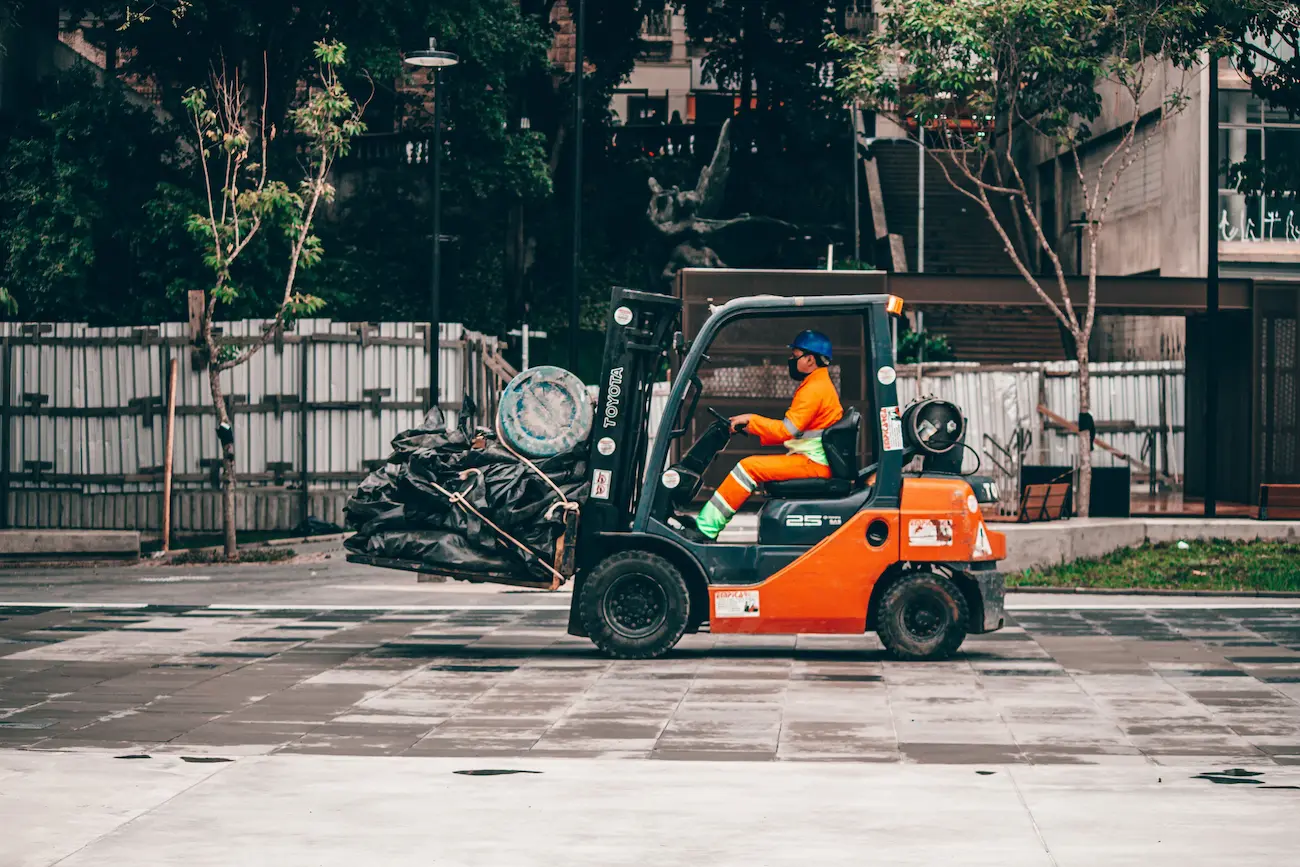
If you’ve ever watched an operation grind to a halt because a forklift went down, you already know how central these machines are to keeping a business running. They’re not glamorous, but they’re essential. And when it’s time to add one or replace an aging unit, the sticker price can stop a lot of otherwise solid businesses in their tracks.
That’s where forklift financing comes in. Instead of draining your cash reserves on a $30,000 or $50,000 piece of equipment, you spread the cost out over time and keep your working capital where it belongs: in the business.
Here’s a straightforward look at how it works in 2026.
The price range is wider than most people expect. According to current forklift pricing breakdowns from PriceItHere, a new standard forklift typically runs between $20,000 and $50,000. Electric models land between $22,000 and $55,000 before you factor in the battery and charger, which can quietly add another $7,500 to $9,500 to the bill. Propane and diesel units generally run $25,000 to $60,000 new, and if you’re looking at heavy-duty equipment for high-capacity lifting, prices can push well past $100,000.
Used forklifts bring the cost down considerably, usually coming in at 25 to 50 percent less than a comparable new unit. But condition, hours on the machine, and battery health for electric models all factor into what you’ll actually end up paying.
Either way, it’s a real capital outlay. And for most businesses, financing makes a lot more sense than writing a check.
Honestly, the fuel type doesn’t change how forklift financing works on a structural level. But it does affect how much you’re financing and what the long game looks like financially.
Electric forklifts cost more upfront, but the operating savings are real. Industry data shows electric models average around $500 a year in maintenance costs, compared to $1,500 to $2,500 for propane or diesel. Fuel savings on top of that can add up to $10,000 or more over five years. If you’re running a forklift hard every day in an indoor environment, financing an electric unit often pencils out better than buying a cheaper propane one outright.
Propane still makes sense in a lot of situations though. It refuels in minutes, handles outdoor and mixed-use environments better, and generally costs less to acquire. For multi-shift operations where a forklift sitting on a charger means money lost, propane often wins on practicality.
Neither one is the right answer for every business. The point is to match the financing to whichever unit actually fits your operation, not to finance the cheapest one just because the monthly payment looks better on paper.
One thing worth knowing is that forklift financing doesn’t have to stop at just the machine itself. Depending on the lender, you can often roll in the battery and charger for electric models, attachments like side-shifters or fork positioners, delivery costs, and even extended warranties or preventive maintenance plans.
That last part matters more than people realize. Getting those costs bundled into the financing upfront beats scrambling to cover them out of pocket after the deal is already done.
Most forklift financing comes down to two options.
With a loan, you own the machine at the end of the term and build equity in it as you pay it down. That’s usually the better call if you plan to use the forklift for the long haul and want the flexibility to sell or trade it later.
With a lease, you’re paying to use the equipment for a set term, usually 36 to 60 months, and then you can purchase it, return it, or upgrade to something newer. Leasing tends to work well when you want lower monthly payments, you’re in an industry where equipment evolves quickly, or you’d rather not be tied to the same machine in five years.
Both structures work for new and used forklifts, and both can take advantage of the Section 179 tax deduction, which for 2026 lets businesses deduct up to $2,560,000 in qualifying equipment placed into service during the year. That’s a meaningful benefit worth looping your accountant in on before you finalize anything.
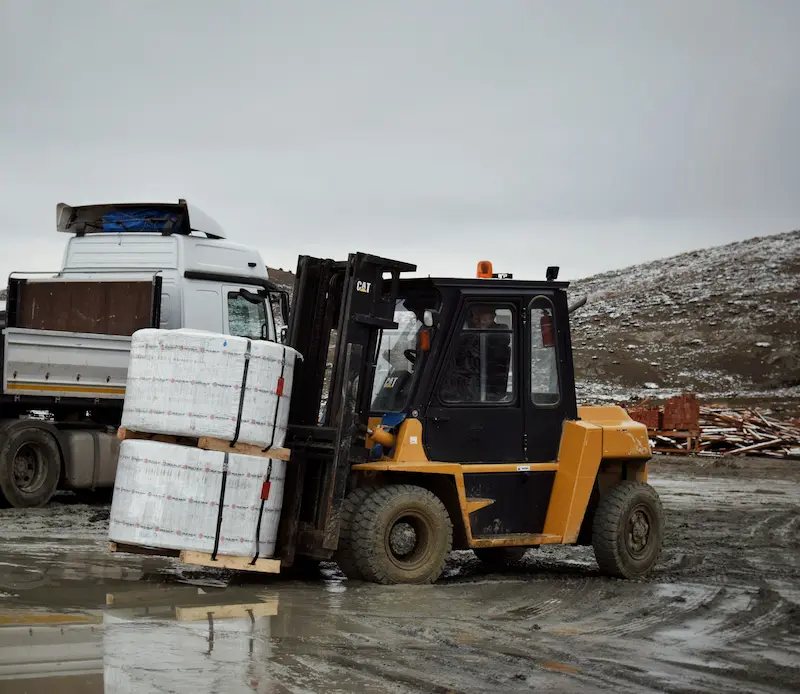
The approval process for forklift financing isn’t that different from other equipment loans. Lenders want to see time in business, since an established operation with real revenue is a much cleaner approval than a brand-new entity. They’ll look at cash flow (through bank statements) to make sure the new payment fits comfortably alongside existing expenses. And they’ll factor in the equipment itself, because a two-year-old electric forklift is a very different conversation from a 12-year-old propane unit with 10,000 hours on it.
If you’re financing used equipment, have the make, model, year, and hour count ready. The more documentation you can provide, the smoother it goes.
Personal credit matters too, especially for smaller businesses or newer operations without much history. But equipment-focused lenders generally give you more flexibility than a traditional bank would.
Single-unit financing is the most common scenario, but fleet deals are worth understanding too. If you’re replacing multiple units or building out a new operation from scratch, bundling two, three, or more forklifts into a single loan or lease tends to be cleaner than handling each one separately. It simplifies the paperwork, creates one predictable monthly payment, and can sometimes get you better terms because of the overall deal size.
If your fleet is aging and you’re doing one-off replacements as machines die, it might be worth stepping back and thinking about a structured fleet refresh instead. You’d likely get better terms, better equipment, and a lot less headache than patching things together unit by unit.
The most common mistake businesses make is falling in love with a specific forklift before they know what they can actually get financed. Then the conversation with the dealer gets uncomfortable fast.
Get prequalified first. It takes the guesswork out of the shopping process and puts you in a much stronger position when it’s time to negotiate.
TrueCore Capital works with warehouse operators, manufacturers, contractors, and distribution businesses to structure equipment financing that actually fits the operation, not just the equipment spec sheet. Whether you’re buying your first lift truck or refreshing a fleet, we’ll get you an answer fast.
Ready to see what you prequalify for? Give us a call at (805) 422-7342 or submit a contact form below to get started — no hard pull, no pressure.



 July 5, 2024
 July 5, 2024
 July 5, 2024


 by Augustine Sung