

If you’re planning to launch a business in 2027 and you need equipment to operate, the financing conversation is worth having before you open your doors, not after. Equipment financing for startups works differently than it does for established businesses, but that doesn’t mean the door is closed. It means you need to know how lenders think about brand-new businesses and what you can do to put yourself in the best position before you apply.
Here’s what startup equipment financing actually looks like, what lenders focus on when your business is new, and how to get approved in your first year.
When an established business applies for equipment financing, lenders have years of bank statements, tax returns, and commercial payment history to work with. The business has proven it generates revenue, pays its obligations, and keeps operating through slow periods. That track record does a lot of the heavy lifting in underwriting.
A startup doesn’t have any of that yet. You might have a solid business plan, relevant industry experience, and genuine demand for what you’re offering, but from a lender’s perspective, the file is thin. There’s no commercial borrowing history, limited or no business revenue to verify, and no track record of making business loan payments on time.
That changes what lenders look at and how they evaluate risk. It doesn’t disqualify you. It just shifts the conversation.
When your business is new, lenders compensate for the missing track record by leaning harder on the factors they can evaluate. According to Stripe’s guide to business equipment loans, startups can qualify if the owner has strong personal credit or offers a meaningful down payment, and often both.
Personal credit becomes the primary signal. With no business credit history to review, lenders use your personal credit score as a proxy for how you handle financial obligations. The stronger your personal credit, the more confident a lender can be that you’re going to make your payments. A score above 650 opens more doors. A score in the 600 to 650 range is workable with the right supporting factors. Below 600 is a harder conversation, especially for a startup without revenue history to offset it.
Down payment is your strongest lever. For startups, a down payment is often the single most important factor in getting a deal done. It reduces the lender’s exposure, signals that you have skin in the game, and demonstrates that your business has actual capital behind it, not just an idea. Coming in with a meaningful down payment (think 15% to 25% or more depending on credit) doesn’t just help you get approved. It also shows the lender you’re a serious buyer who has prepared for this purchase. Lead with your down payment, not your age of business.
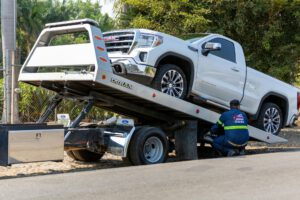
The equipment itself matters more. Because there’s less financial history to evaluate, lenders pay closer attention to the collateral. They want equipment that holds its value, is in demand across the market, and could be recovered and resold without difficulty if the loan went sideways. Well-established assets like commercial trucks, construction equipment, forklifts, trailers, and manufacturing machinery tend to work well for startup deals. Highly specialized or niche equipment with a thin resale market is a tougher conversation when the business is also brand new.
Cash flow evidence helps, even if it’s early. If your business has been operating for even a few months before you apply, those bank statements carry weight. Consistent deposits, a healthy balance, and no overdrafts all tell a story. Even limited business banking history is better than none.

The documentation for a startup equipment financing application is straightforward, but having it organized before you apply makes a real difference in how quickly things move.
Most lenders will want to see your business formation documents (LLC or corporation paperwork, EIN), your personal credit information, a copy of the invoice or equipment listing for what you’re buying, and recent personal bank statements if business statements aren’t available yet. As Fit Small Business notes in their guide to startup equipment loans, having your documents ready and responding quickly to any follow-up requests is one of the clearest ways to keep an application moving.
If you have business bank statements, include them. Even two or three months of clean statements with consistent activity gives the underwriter something concrete to work with beyond just your personal credit.
If your business has multiple owners, having your ownership documents ready, like your articles of incorporation or operating agreement, speeds things up and avoids back-and-forth during underwriting. For sole proprietors, previous 1099 income history is worth pulling together. If you’ve got two years of 1099s showing consistent self-employment income in your industry, that documentation carries real weight as a substitute for formal business history.
One thing worth understanding is that “startup” isn’t a fixed category. A business that’s been operating for six months looks different to a lender than a business that opened last week. A business with $15,000 a month in deposits looks different than one with nothing in the account yet.
Lenders think about startup deals on a spectrum. The more you can show, whether that’s time in business, revenue, personal credit strength, or down payment size, the stronger your position. You don’t need all of these to be perfect. You need enough of them to tell a compelling story.
A true day-one startup with no revenue, limited personal credit, and a small down payment is the hardest version of this conversation. A business that’s been operating for a few months with solid personal credit and a 20% down payment ready to go is a very different file. Know where you fall on that spectrum before you apply so you’re applying to the right lenders and coming in prepared.
If you’re planning to launch in 2027 and you already know you’ll need equipment, the time to start thinking about financing is before you open, not after. Here’s why that matters.
Getting prequalified early tells you exactly what you’re approved for and what you’d need to bring to the table. That information shapes decisions, what equipment to target, what down payment to plan for, what to do with your personal credit in the months before you launch. A startup that walks into their first equipment deal knowing their approval range and having their down payment ready moves much faster than one figuring it out on the fly.
The other reason to start early is that your first financed equipment deal does something beyond putting a piece of equipment to work. Every on-time payment you make gets reported and starts building the commercial borrowing history that lenders look for on your second deal, your third truck, your next crew build-out. The businesses that build fast are the ones that use their first financing deal to set up the next one.
TrueCore Capital works with startup businesses across industries. True day-one startups can get approved with a down payment, with no industry experience threshold required. We work with new businesses on commercial trucks, construction equipment, trailers, and other business-essential assets every day.
If you’re planning a 2027 launch and want to understand what equipment financing looks like for your situation before you open your doors, start with prequalification. It takes a few minutes, there’s no hard credit pull, and it gives you a real picture of where you stand.
Get prequalified for equipment financing and find out what your startup deal looks like. And if working capital is part of what you need alongside the equipment, same-day working capital is worth looking at as well.
Apply now and let’s get your 2027 launch set up right. Give us a call at (805) 422-7342 or submit a contact form below to get started — no hard pull, no pressure.



 July 5, 2024
 July 5, 2024
 July 5, 2024


 by Augustine Sung