
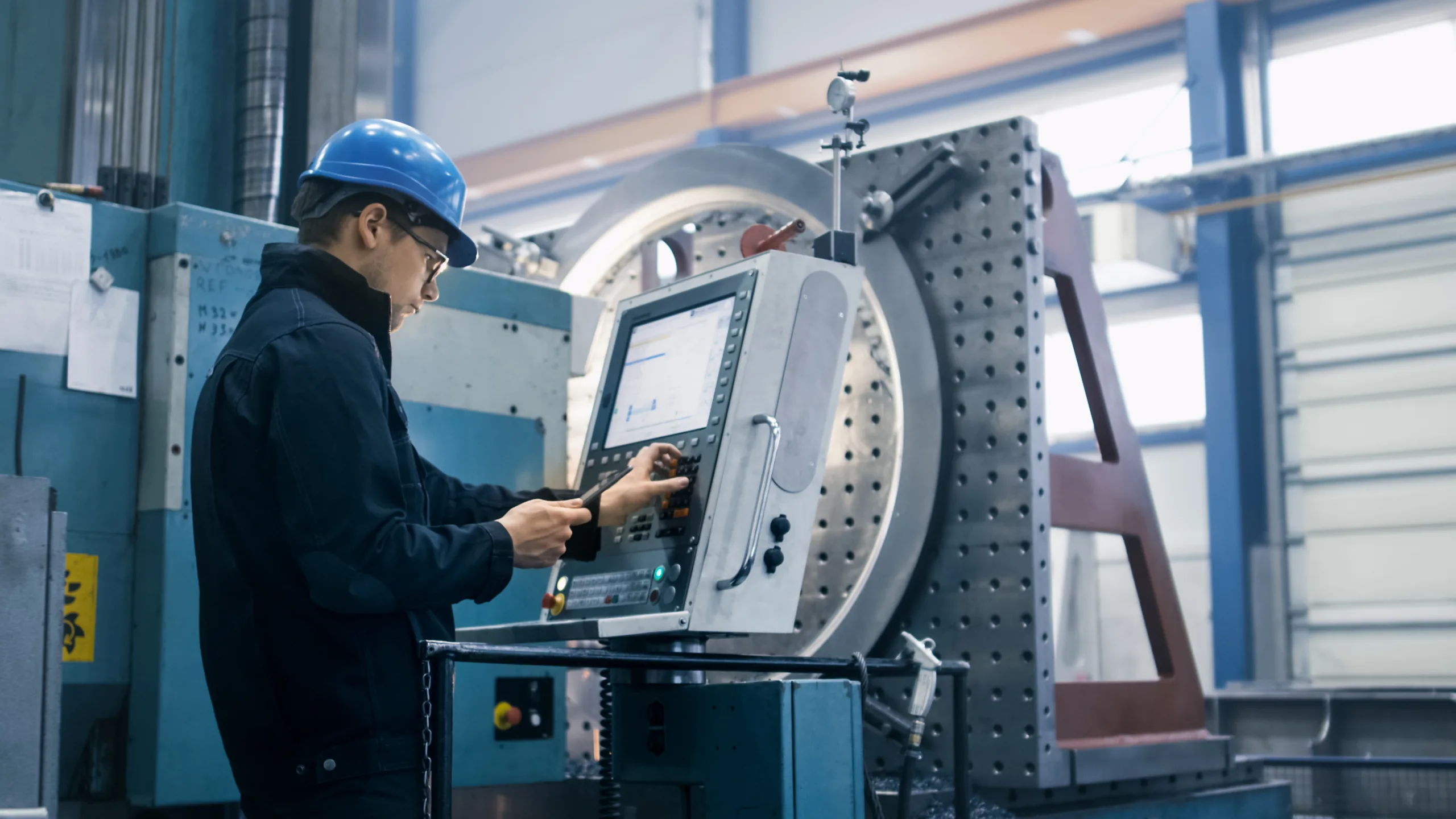
Ask any machine shop owner or fabricator what the biggest barrier to growth is and you’ll hear the same answer almost every time. It’s not talent. It’s not demand. It’s equipment. A CNC machining center that would let you take on bigger contracts sits at $150,000. A fiber laser cutter that would cut your production time in half is another $80,000. The work is there. The machines aren’t.
That’s the gap manufacturing equipment financing is built to close. Instead of waiting years to save up or depleting the cash your business needs to run, you get the equipment producing revenue now and pay for it over time. Here’s how it actually works in 2026.
More than most shops budget for, especially once you start adding up everything a real production setup requires.
On the CNC side, current 2026 pricing data from Ellison Technologies puts entry-level vertical machining centers at roughly $50,000, mid-range machining centers and turning centers between $100,000 and $250,000, and fully configured 5-axis or multi-tasking platforms well over $500,000. Two shops buying what sounds like the same machine can end up at very different price points once axis count, spindle specs, and control system requirements get factored in.
Laser cutters follow a similar pattern. According to 2026 laser cutter cost breakdowns from Arcus CNC, industrial fiber lasers start around $20,000 for basic factory-direct systems and climb past $500,000 for fully automated production lines. For most shops buying their first or second industrial laser, an enclosed fiber system in the 3kW to 6kW range typically lands between $45,000 and $150,000 depending on bed size and automation level.
Press brakes, turret punch presses, waterjet cutters, injection molding machines, and plasma cutting systems all live in similar territory. Any one of them is a meaningful capital decision, and most shops aren’t replacing just one machine at a time.
The used market is worth paying attention to. Used CNC machines typically sell for 30 to 60 percent of new price depending on age, hours, and condition. A capable used laser cutter or press brake can often do the same work as a new one for a fraction of the cost, and all of it qualifies for manufacturing equipment financing just as easily as new.
A lot of shop owners assume financing stops at the machine itself. It usually doesn’t. Most equipment lenders will finance the primary machine, installation and rigging costs, tooling packages purchased alongside the equipment, software and control system upgrades, and in some cases extended service agreements bundled into the deal.
The installation piece matters more than people realize. Large CNC equipment and laser systems often require specialized electrical work, crane rigging, or even a foundation pour before they’re operational. Those costs can quietly add $5,000 to $25,000 on top of the machine price. Getting them rolled into the financing upfront is a lot cleaner than scrambling to cover them out of pocket after the equipment is already sitting on your floor.
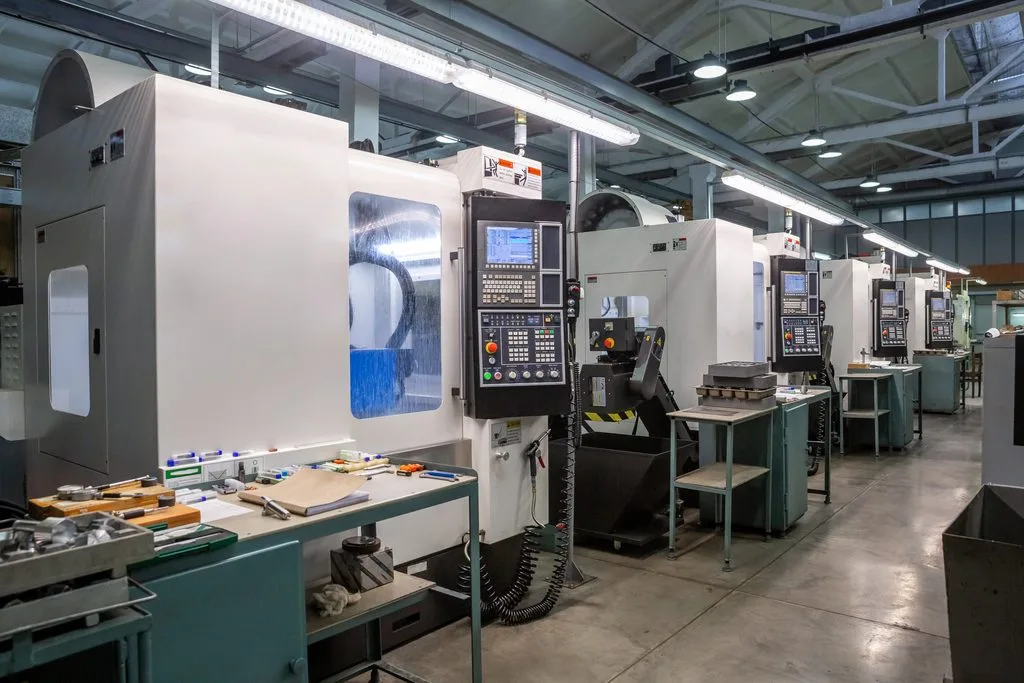
The question that comes up constantly from newer operations is whether they can actually get approved. The honest answer is yes. Manufacturing equipment is a strong category for lenders because the machines are high-value assets with a clear income-generating purpose, which works in the borrower’s favor.
For newer businesses, the most important thing you can bring to the table is a solid down payment. That’s what gives lenders confidence when there’s limited operating history to review. For established shops with real revenue and a track record of completed work, approvals can often move in 24 to 48 hours once the application is complete.
One thing that helps regardless of where you are in the business lifecycle: be ready to explain what the machine is for and who your customers are. A CNC shop with stable manufacturing contracts looks very different to an underwriter than a brand-new entity with no customer relationships yet. The more context you provide upfront, the smoother the process goes.
Not as much as most people expect. Used manufacturing equipment is absolutely financeable, and TrueCore specializes in exactly these kinds of deals. A well-documented used CNC machine or laser cutter with known hours, a clean service history, and an established market value is a straightforward approval for most equipment lenders.
What lenders care about is documentation. Have the make, model, year, and hours ready before you apply. For higher-value machines, a third-party inspection report can help move things along and sometimes improve your terms by giving the lender a clearer picture of what the asset is actually worth.
There’s a real tax benefit worth knowing about if you’re considering a manufacturing equipment purchase before year-end. The Section 179 deduction for 2026 allows businesses to deduct up to $2,560,000 in qualifying equipment placed into service before December 31st. A shop that finances a CNC machine or laser cutter now and gets it operational before year-end could potentially write off the full purchase price on this year’s taxes while still making monthly payments.
If you’ve been thinking about an equipment upgrade and were planning to do it in January anyway, the case for moving it into Q4 is pretty simple. Same financing, same machine, but you pull the tax deduction a full year earlier. Talk to your accountant on the specifics since eligibility depends on your situation, but it’s a conversation worth having before the window closes.
Most manufacturing equipment financing conversations start with a single machine. But multi-machine deals come up regularly, especially for shops scaling production capacity or building out a new facility from scratch.
Bundling two or three machines into one loan is usually cleaner than doing them separately. One application, one approval, one monthly payment. And larger deals sometimes work in your favor on terms since the overall relationship is worth more to the lender.
If your shop has been running on aging equipment and you’ve been holding things together with repairs and workarounds, it might be worth having the larger conversation now rather than waiting for something to fail at the worst possible moment.
The most common mistake shops make is getting deep into a conversation with a dealer or winning a machine at auction before they know what they’re actually approved for. Then the financing gets complicated and the timeline falls apart.
Getting prequalified first changes that completely. You know your budget, your down payment requirement, and your monthly payment range before you ever walk into a negotiation. Dealers take you more seriously and the whole deal moves faster.
TrueCore Capital works with machine shops, fabrication businesses, and production operations to structure manufacturing equipment financing around what the shop actually needs, whether that’s a single CNC machine, a laser system, or a broader floor build-out. If you’re also weighing whether equipment financing or same day working capital is the right structure for your situation, we can walk you through both.
Find out what you qualify for today. Give us a call at (805) 422-7342 or submit a contact form below to get started — no hard pull, no pressure.



 July 5, 2024
 July 5, 2024
 July 5, 2024


 by Augustine Sung