
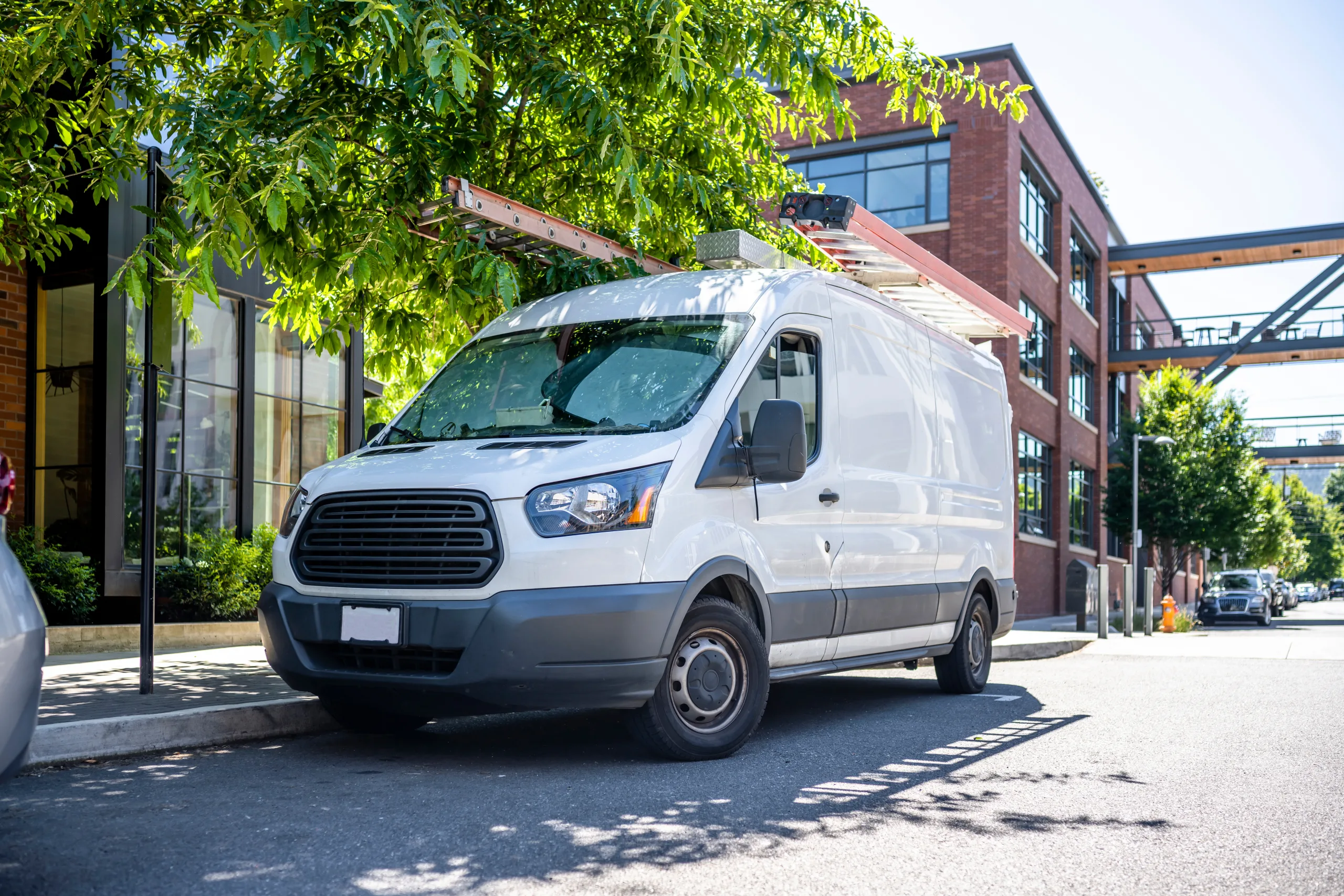
There’s a certain type of business that runs entirely out of a van. Plumbers, electricians, HVAC techs, delivery drivers, mobile detailers, Amazon DSP operators, florists, catering companies. The van isn’t just a vehicle. It’s the entire operation. And when it comes time to get one, most business owners find out pretty quickly that the sticker price is a lot higher than they expected.
A new cargo van in 2026 will run you anywhere from $40,000 to well over $60,000 depending on the make, configuration, and any upfitting you need done before it hits the road. That’s a serious capital outlay for any small business, which is exactly why cargo van financing exists. You get the van working for you now and spread the cost over time instead of draining reserves you need to actually run the business.
Here’s what you need to know going into 2026.
The price range is wider than most people expect, and it moves fast depending on which platform you’re looking at.
According to current van pricing data from TrueCar, the 2026 Ford Transit starts around $50,795 MSRP, though most buyers are landing closer to $47,000 on actual transaction prices. The Mercedes-Benz Sprinter starts at $51,285 and typically transacts around $48,000 at base config. The Ram ProMaster comes in as the more budget-friendly option, with a starting price closer to $48,965.
Those are base prices before upfitting. Add shelving, ladder racks, partition walls, refrigeration, vinyl graphics, or specialized storage and you’re looking at another $3,000 to $15,000 on top of that depending on the trade. Most cargo van financing packages can roll those soft costs in, which is worth asking about before you structure the deal.
Used vans bring the number down considerably, and this is worth paying attention to since we specialize in used equipment financing. A 2022 or 2023 Ford Transit with under 60,000 miles typically runs $28,000 to $38,000 depending on roof height, wheelbase, and condition. A comparable used Sprinter in the same year range tends to run a bit higher, usually $32,000 to $45,000, reflecting the brand premium even on the secondary market. Used Ram ProMasters are often the most affordable option, with comparable year and mileage combinations frequently landing between $16,000 and $28,000.
If you’re willing to go back to a 2019 or 2020 model with higher mileage, you can find solid working vans in the $18,000 to $26,000 range, which is a meaningful difference when you’re trying to preserve working capital. All of these can be financed just as easily as new, and in many cases the lower loan amount means a more comfortable monthly payment for a van that will do the same job day in and day out.

Pretty much any business that operates out of a van. The most common use cases are:
Delivery and logistics operators, including Amazon DSP drivers and last-mile courier businesses that need one or more vans to run their routes. Trades businesses like plumbers, electricians, HVAC technicians, and general contractors who carry tools and equipment to job sites daily. Mobile service businesses including pet groomers, auto detailers, cleaning companies, and health and wellness providers who run their entire operation out of the vehicle. Food and catering businesses that need refrigerated or temperature-controlled setups. And small fleet operators who are building out multiple routes or service territories at once.
The common thread is that the van is an income-generating asset. Cargo van financing makes sense because the vehicle pays for itself through the revenue it enables, making monthly payments a real business expense rather than just a cost of doing business.
This is where a lot of buyers are surprised. Cargo van financing doesn’t stop at just the vehicle itself. Depending on how the deal is structured, most lenders will finance the van, upfitting and custom builds, delivery and registration costs, and in some cases extended warranty or maintenance plan costs bundled into the loan.
Getting upfit costs rolled into the financing is a big deal for trades businesses especially. A bare van is useless to a plumber without racking and storage. Financing the full working package as one deal rather than paying out of pocket for the build means you’re not dipping into operating cash before the van has generated a single dollar.
One question that comes up constantly: can a brand-new business get approved for cargo van financing?
The honest answer is yes. A true startup with no operating history can still get approved as long as they come in with the required down payment. The down payment is what gives lenders confidence when there’s no business track record to lean on, so having that piece ready is the most important thing a new business can do before applying.
For established businesses with two or more years of operating history and solid revenue, the process is even more straightforward. Approvals can move fast, usually within a few hours of submitting a complete application.
Personal credit still matters, particularly for smaller operations and newer businesses, but cargo van financing through an equipment-focused lender gives you more flexibility than walking into a bank and asking for a commercial vehicle loan.
The factors that drive a cargo van financing approval aren’t complicated, but knowing them going in saves a lot of back-and-forth.
Time in business is the first filter most lenders apply. A business with three years of operating history looks very different from one that opened six months ago, and the terms will reflect that. Revenue and monthly cash flow matter too, since lenders want to see that the new payment fits comfortably into what the business already generates. The vehicle itself plays a role, because a two-year-old Transit with 40,000 miles is a much cleaner deal than a high-mileage Sprinter with deferred maintenance and unclear service history.
If you’re financing used, have the year, make, model, mileage, and any service records ready. The more documentation you bring, the faster things move.
One thing that makes cargo van financing particularly attractive from a tax standpoint is that most commercial cargo vans qualify for the Section 179 deduction. For 2026, the deduction limit is $2,560,000, and cargo vans used more than 50 percent for business purposes generally qualify. That means you could finance a van today and potentially write off the full purchase price on this year’s taxes while still making monthly payments.
It’s worth knowing that Section 179 requires ownership, so it applies to loans but not to leases. If maximizing the tax benefit is a priority, that’s a reason to structure the deal as a loan rather than a lease. Talk to your accountant before you finalize anything, since eligibility depends on your specific situation, but it’s a real benefit that a lot of van buyers leave on the table simply because they don’t know to ask about it.
Most cargo van financing conversations start with one vehicle, but fleet situations come up more than people expect, especially for delivery operators and service businesses expanding into new territories.
Financing multiple vans under one deal is usually cleaner than doing them one at a time. One application, one approval, one monthly payment. And larger deals sometimes work in your favor on terms since the overall relationship is more valuable to the lender.
If you’re currently running one van and thinking about adding a second, it’s worth having that conversation now rather than waiting until you’re stretched thin and scrambling for capacity.
The move that makes the most sense before you start visiting dealers or browsing listings is getting prequalified first. It takes the guesswork out of the budget conversation and puts you in a stronger position when it’s time to negotiate on price.
TrueCore Capital works with delivery operators, trades businesses, mobile service companies, and fleet operators to structure cargo van financing around what the business actually needs, not just what fits a standard loan template. Whether you need one van or five, new or used, with upfitting rolled in or as a straight vehicle purchase, we can get you an answer fast.
Find out what you qualify for today. Give us a call at (805) 422-7342 or submit a contact form below to get started — no hard pull, no pressure.



 July 5, 2024
 July 5, 2024
 July 5, 2024


 by Augustine Sung