
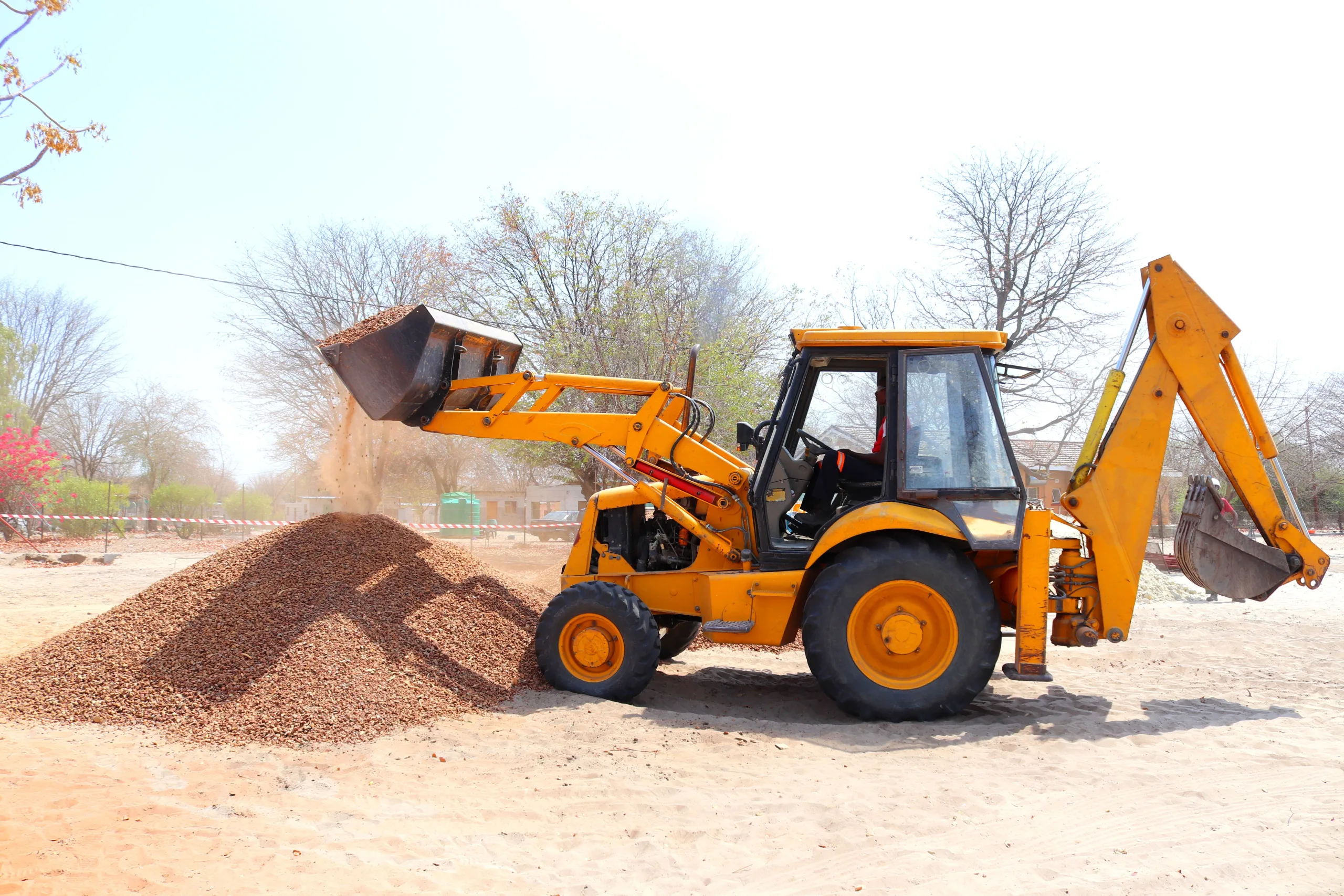
If you’re in construction, site prep, excavation, or landscaping, you already know what an excavator means to your operation. It’s not just a machine. It’s how you take on bigger jobs, move faster, and stay competitive. But with full-size excavators regularly running $150,000 or more, paying cash isn’t realistic for most businesses. That’s where excavator financing comes in.
Whether you’re buying your first compact mini-ex or adding a second full-size unit to your fleet, understanding how excavator financing works and what lenders actually look for can mean the difference between a fast approval and a stalled deal.
Here’s everything you need to know before you apply.
Excavator financing is a commercial equipment loan that lets your business purchase an excavator and repay the cost over time in fixed monthly payments. The machine itself serves as collateral, which is one of the reasons excavator financing tends to be more accessible than unsecured business loans of the same size.
According to the Equipment Leasing and Finance Association, roughly 8 in 10 U.S. businesses use financing rather than cash to acquire equipment, and excavators are among the most commonly financed assets in the construction industry. The structure is straightforward: a lender pays the seller, and you repay the lender over an agreed term, typically 24 to 72 months.
Once the loan is paid off, you own the machine outright.
One of the first things lenders evaluate in an excavator financing deal is whether the machine is new or used. Both are financeable, but they’re not treated the same way.
New excavators typically qualify for longer terms because their useful life extends well beyond the loan period. They carry full manufacturer warranties, the latest emissions compliance, and telematics packages, all of which make lenders more comfortable with the collateral. For businesses with strong credit and documented revenue, new equipment often comes with the most favorable deal structures.
Used excavators are widely financed and can be a smart move for businesses that want to stretch their budget. A well-maintained machine from a reputable brand like Cat, Komatsu, John Deere, or Volvo with documented service history holds its value well and makes for a clean approval. Lenders will pay attention to the machine’s age, total hours, and overall condition when evaluating the deal. In general, the newer the year and the lower the hours, the more flexibility you’ll have on structure.
Used equipment purchased through auctions, dealers, or private sellers can all be financed, though private seller deals may require additional documentation depending on the lender.
Excavator financing approvals come down to a handful of core factors. Understanding them before you apply puts you in a much stronger position.
Credit profile. Your personal credit score is one of the first things a lender will review. Most specialty lenders work with a range of credit profiles, and a lower score doesn’t automatically disqualify you, especially when the rest of your file is solid. That said, stronger credit typically means better deal structure and more flexibility on terms.
Time in business. Lenders view businesses with two or more years of operating history as lower risk. That doesn’t mean newer businesses can’t get approved. It means they may need to come to the table with more supporting documentation or a stronger credit profile to offset the shorter track record.
Cash flow and revenue. Lenders want to see that your business generates enough consistent revenue to support an additional monthly payment. Bank statements showing steady deposits are one of the clearest signals a lender can use to evaluate repayment ability. Seasonal revenue patterns are common in construction, so being upfront about how you manage cash flow in slower months helps underwriting move faster.
Equipment details. Not all excavators are evaluated the same way. Lenders look at year, make, model, hours, and condition. Equipment from established brands with active secondary markets like Cat, Komatsu, Deere, Volvo, and Bobcat tends to be straightforward to finance. Older machines or specialty configurations may require more conversation around deal structure.
Down payment. Many excavator financing deals can be structured with little to nothing down, depending on the strength of your application. A strong credit profile combined with solid time in business and documented revenue can qualify for $0 down options. Weaker files with newer businesses, lower credit, or older equipment may require 10 to 30 percent down to get the deal done.
The process for getting approved is more straightforward than most people expect, especially when you work with a specialty lender rather than a traditional bank.
For deals under $150,000, many lenders can approve on an application-only basis with no financial statements required. You submit basic business information, the equipment details, and a valid ID. From there, approvals can come back in as little as 24 to 48 hours.
Larger deals above $150,000 may require additional documentation such as recent bank statements or business tax returns. The stronger your overall profile, the less documentation you’ll typically need to provide.
Once approved, you sign the loan documents and provide necessary items (if required), then the lender pays the seller directly. In most cases, the equipment can be on your job site within a few business days of signing.
At TrueCore Capital, we run a soft pull only during prequalification so you can see what you qualify for without any impact to your credit score.
Excavator financing works differently depending on where your business is in its lifecycle.
Established businesses with two or more years of history, consistent revenue, and solid credit have the most options available. Longer terms, lower down payments, and faster approvals are all on the table.
Startups and newer businesses can still get approved for excavator financing, but lenders will look more closely at credit, industry experience, and how the equipment ties to revenue. Prior experience in construction or excavation, even as a 1099 contractor, can work in your favor. Coming prepared with bank statements, a clear explanation of how the machine will generate revenue, and a down payment if needed can make a real difference.
Owner-operators adding their first machine or expanding to a second unit are one of the most common profiles in excavator financing. Lenders understand this business model well, and a strong credit profile with documented income often leads to a clean approval.
If you’re still in the early stages of building your business, our guide on equipment financing for new LLCs covers what startups need to know before they apply.
Yes, but not as much as you might think.
Mini excavators in the 1 to 6 ton range are widely financed, often with faster approvals and simpler documentation requirements given the lower price points. A compact unit from Kubota, Bobcat, or Takeuchi purchased for $30,000 to $80,000 is a relatively straightforward deal for most specialty lenders.
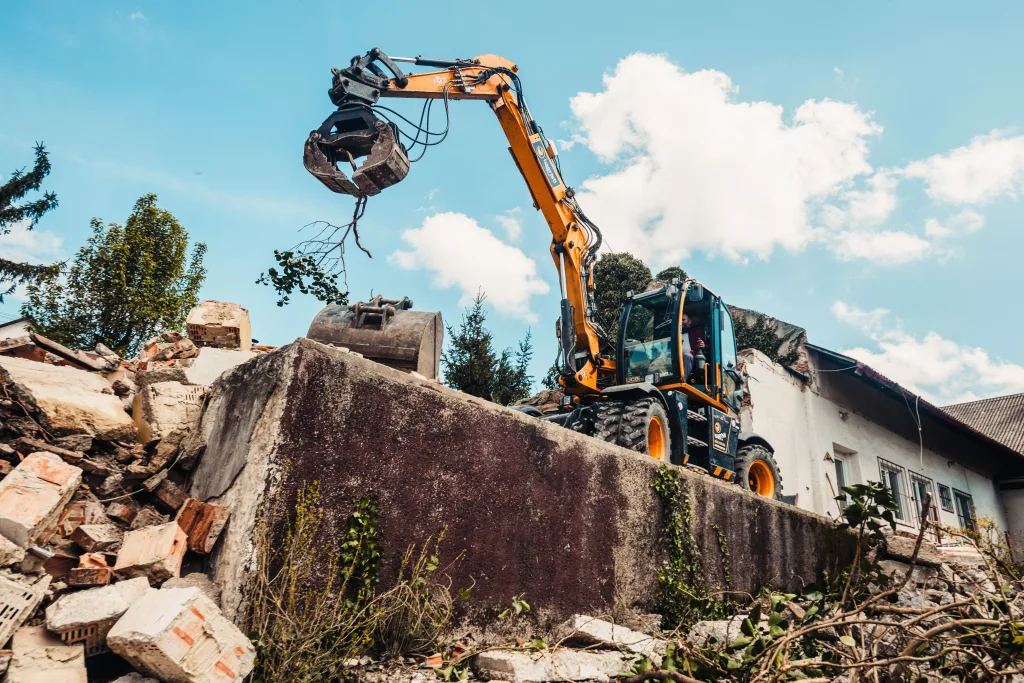
Full-size machines, anything from a 20-ton mid-size crawler to a large-format excavator for commercial demolition, involve larger loan amounts and typically require more documentation. But they’re still very much financeable, and lenders who specialize in construction equipment understand the collateral story behind these machines.
The key in both cases is coming prepared. Know the year, make, model, and hours of the machine you want before you start the application. The more specific you can be, the faster the process moves.
Auction financing is one of the more time-sensitive situations in equipment financing, and it’s worth understanding before you bid.
Most auction platforms require payment in full within 24 to 72 hours of the auction closing. If you don’t have financing lined up before the gavel falls, you risk losing the equipment, forfeiting your deposit, or getting locked out of the platform entirely.
The right move is to get pre-approved before you bid. That way you know your ceiling, you can move fast when you win, and your lender is already familiar with your file, which speeds up final funding significantly.
Used excavators purchased through major auction platforms like Ritchie Bros. or IronPlanet can typically be financed the same way as dealer purchases. For more on how auction financing works, check out our guide to auction equipment financing.
Even if your business has the cash available to buy outright, financing an excavator often makes more strategic sense.
Paying cash drains the working capital your business needs for payroll, materials, fuel, insurance, and the unexpected costs that come with any active job site. Financing lets you put the machine to work generating revenue from day one while spreading the cost over time.
There’s also a tax advantage worth knowing about. According to IRS guidelines on Section 179, businesses can deduct the full purchase price of qualifying equipment placed in service during the tax year, even when it’s financed rather than paid in cash. For many construction businesses, that deduction significantly reduces the real cost of the machine.
The Equipment Leasing and Finance Association reported that new equipment financing volume surged over 22% year-to-date through early 2026, a clear signal that contractors and business owners are actively choosing financing over cash purchases to preserve flexibility and fuel growth.
If you’re looking at excavators and want to know what you can qualify for before you shop, TrueCore Capital can help. We work with businesses across the credit spectrum, run a soft pull only for prequalification, and can turn around approvals fast so you’re not sitting on the sideline while the right machine sells.
Ready to see what you prequalify for? Give us a call at (805) 422-7342 or submit a contact form below to get started — no hard pull, no pressure.



 July 5, 2024
 July 5, 2024
 July 5, 2024


 by Augustine Sung