
Most landscaping businesses don’t fail because of bad work. They fail because they can’t scale fast enough. And the thing that limits growth almost every time is the same: equipment costs more than the business can absorb upfront.
A commercial zero-turn runs $10,000 to $18,000. A skid steer can easily push $50,000 or beyond. Add a trailer, a truck, and a few attachments and you’re looking at six figures before you’ve mowed a single commercial account at scale. That’s where landscaping equipment financing comes in. You get the equipment now, put it to work generating revenue, and pay it off over time instead of draining the cash your business actually needs to operate.
Here’s how it works in 2026.
More than most people plan for, especially once you start thinking about a full crew setup rather than a single machine.
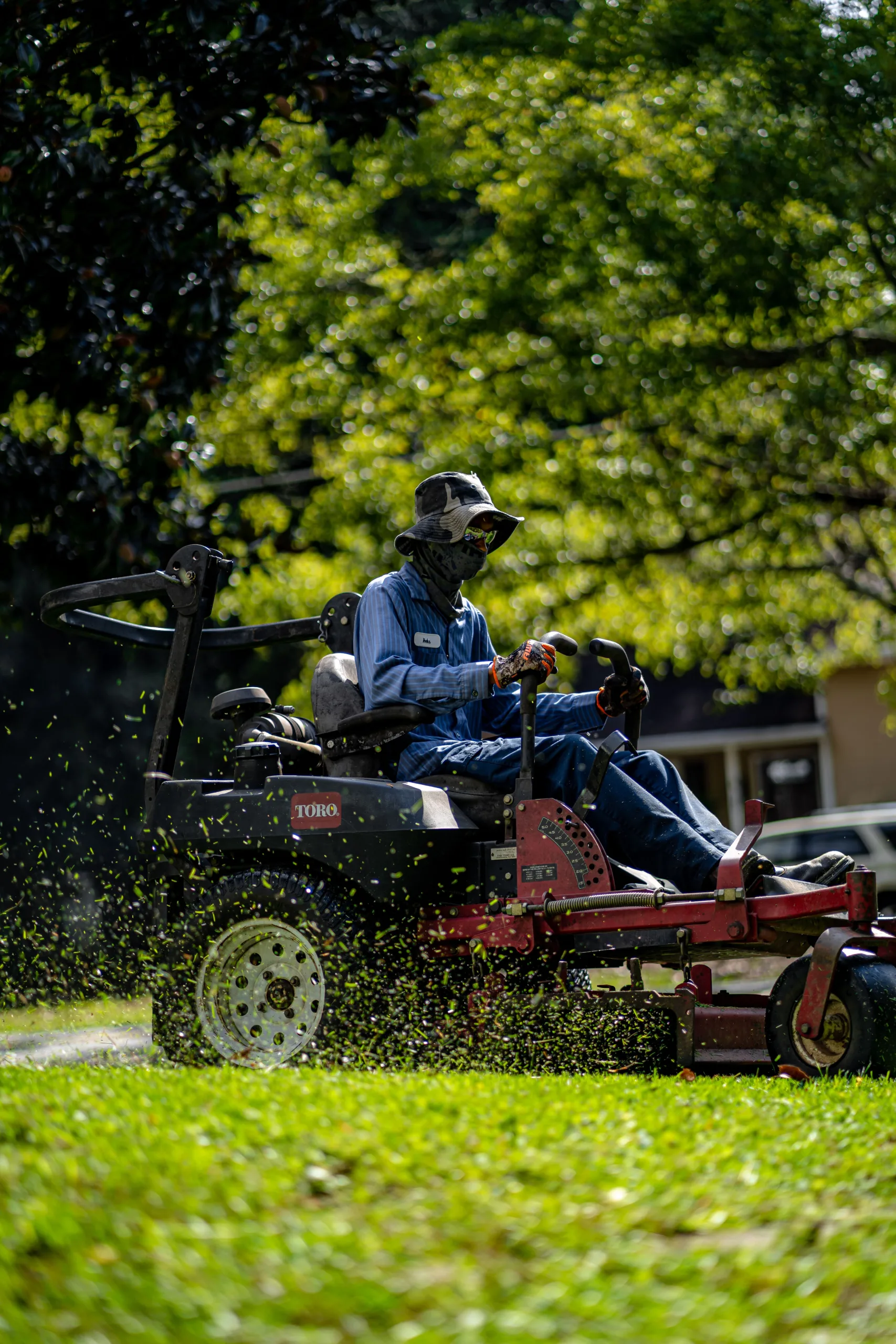
On the mower side, current 2026 dealer pricing puts entry-level commercial zero-turns like the Toro Z Master 2000 somewhere around $10,900 to $11,100. Mid-tier options from Gravely and similar brands climb into the $13,900 to $18,000 range depending on deck size and engine. If you’re running two or three crews and need a mower for each, you’ve already got a $30,000 to $50,000 decision just on mowers alone, before a trailer has been hitched or a skid steer has been considered.
Skid steers are the other big ticket item for landscaping companies doing grading, excavation, mulch work, or site prep. According to current skid steer pricing breakdowns from SkidPro, compact models start around $15,000 to $30,000, mid-size units run $30,000 to $70,000, and fully loaded high-end machines can go well past $120,000. Even a solid used mid-size unit is realistically going to cost $20,000 or more.
Trailers, aerators, stump grinders, chippers, and irrigation equipment all stack on top of that. For most growing landscaping operations, absorbing all of it out of cash flow just isn’t realistic.
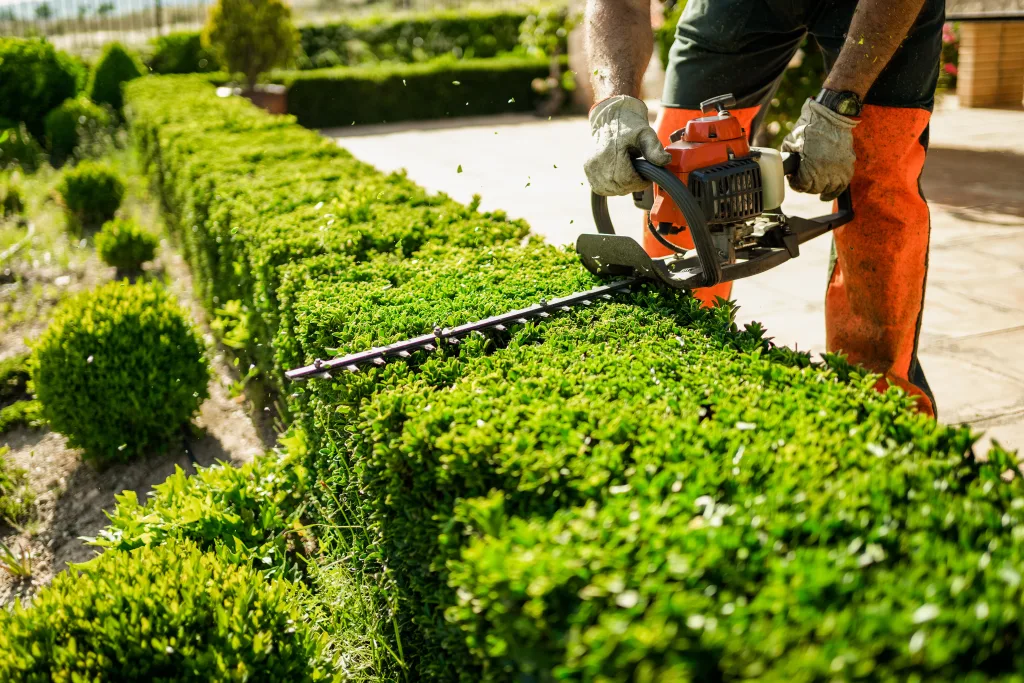
A lot of landscapers assume financing is just for the big stuff, a mower here, a skid steer there. But it’s actually a lot broader than that. Most equipment lenders will finance zero-turn and stand-on mowers, skid steer loaders and their attachments, landscape and enclosed cargo trailers, chippers, stump grinders, aerators, irrigation and sprinkler equipment, and the pickup trucks and service vehicles your crews use to get from job to job every day.
The general rule is simple: if it’s a tangible piece of business equipment that holds value, there’s a good chance it can be financed. That opens the door to bundling a mower, trailer, work truck, and attachments together into one loan rather than piecing things together separately, which usually makes for a cleaner deal and one predictable monthly payment.
The process isn’t as intimidating as it sounds. Lenders are mainly looking at a few things.
Time in business is usually the first filter. A landscaping company that’s been operating for two or three seasons has a real track record to point to. A brand-new LLC doesn’t have that yet, and lenders will weigh that accordingly. It doesn’t mean startups can’t get approved, but newer businesses should go in with realistic expectations on rates and terms.
Cash flow is the other big one. Lenders want to see that the new monthly payment fits comfortably alongside everything else the business is carrying. In a seasonal industry where revenue drops off in the winter, it helps to be upfront about how you manage cash flow in the slow months rather than letting that come as a surprise during underwriting.
The equipment itself matters too. Well-maintained machines from brands like Bobcat, John Deere, Toro, or Gravely are straightforward approvals. Older equipment with high hours and sketchy service history is a harder conversation. If you’re financing used equipment, have the make, model, year, and hours on hand.
Personal credit still plays a role, especially for smaller or newer operations. But equipment-focused lenders tend to have more flexibility than a traditional bank, partly because the equipment itself is the collateral.
Both options are worth understanding because they serve different situations.
A loan means you own the equipment once it’s paid off. You build equity in it and can sell or trade it later. For machines you plan to run hard for five or more years, ownership tends to pencil out better over the long haul.
A lease means you’re paying for use of the equipment over a set term, usually 36 to 60 months, with options to buy, return, or upgrade at the end. Leasing tends to make more sense for faster-growing operations that don’t want to be tied to the same equipment in three years, or for businesses where staying current on technology or efficiency actually affects their competitive position.
Either way, it’s worth knowing that the Section 179 deduction for 2026 lets businesses write off up to $2,560,000 in qualifying equipment placed into service during the year, regardless of whether you paid cash or financed it. That means you can finance a zero-turn today and potentially take the full deduction on this year’s taxes while making monthly payments. Talk to your accountant before you finalize anything, but it’s a real benefit worth factoring in.
Landscaping is one of the most seasonal industries out there, and timing a financing decision around that cycle matters more than most people realize.
The best time to line up financing is before peak season, not during it. Walking into spring with equipment already in hand and approved means you’re generating revenue from the first warm week, not waiting on an underwriter while accounts are piling up. If you’re in a slower stretch right now and thinking about upgrading before next season, this is actually the ideal window. There’s no deadline pressure, you can compare options at your own pace, and getting prequalified costs you nothing.
For a single machine, the process is straightforward. But if you’re building out a new crew setup or replacing multiple pieces at once, bundling everything into one loan tends to be cleaner than going unit by unit. One application, one approval, one monthly payment. And larger deal sizes sometimes work in your favor on terms since lenders see more value in the overall relationship.
If your operation has been patching things together one replacement at a time as machines wear out, it might be worth stepping back and thinking about a planned fleet refresh instead. Better terms, better equipment, and a lot less administrative headache.
The most common mistake landscaping business owners make is going dealer shopping before they know what they’re approved for. You fall in love with a specific mower or skid steer, then find out the financing doesn’t work the way you expected, and suddenly the whole conversation gets uncomfortable.
Getting prequalified first changes that dynamic completely. You walk in knowing your budget, your payment range, and your timeline. The equipment decision gets a lot simpler.
TrueCore Capital works with businesses of all sizes to structure landscaping equipment financing that fits the actual operation, not just the spec sheet. Whether you’re a solo operator adding a second machine or a multi-crew company building out a full fleet, we can get you an answer fast.
Ready to see what you qualify for? Give us a call at (805) 422-7342 or submit a contact form below to get started — no hard pull, no pressure.



 July 5, 2024
 July 5, 2024
 July 5, 2024


 by Augustine Sung