
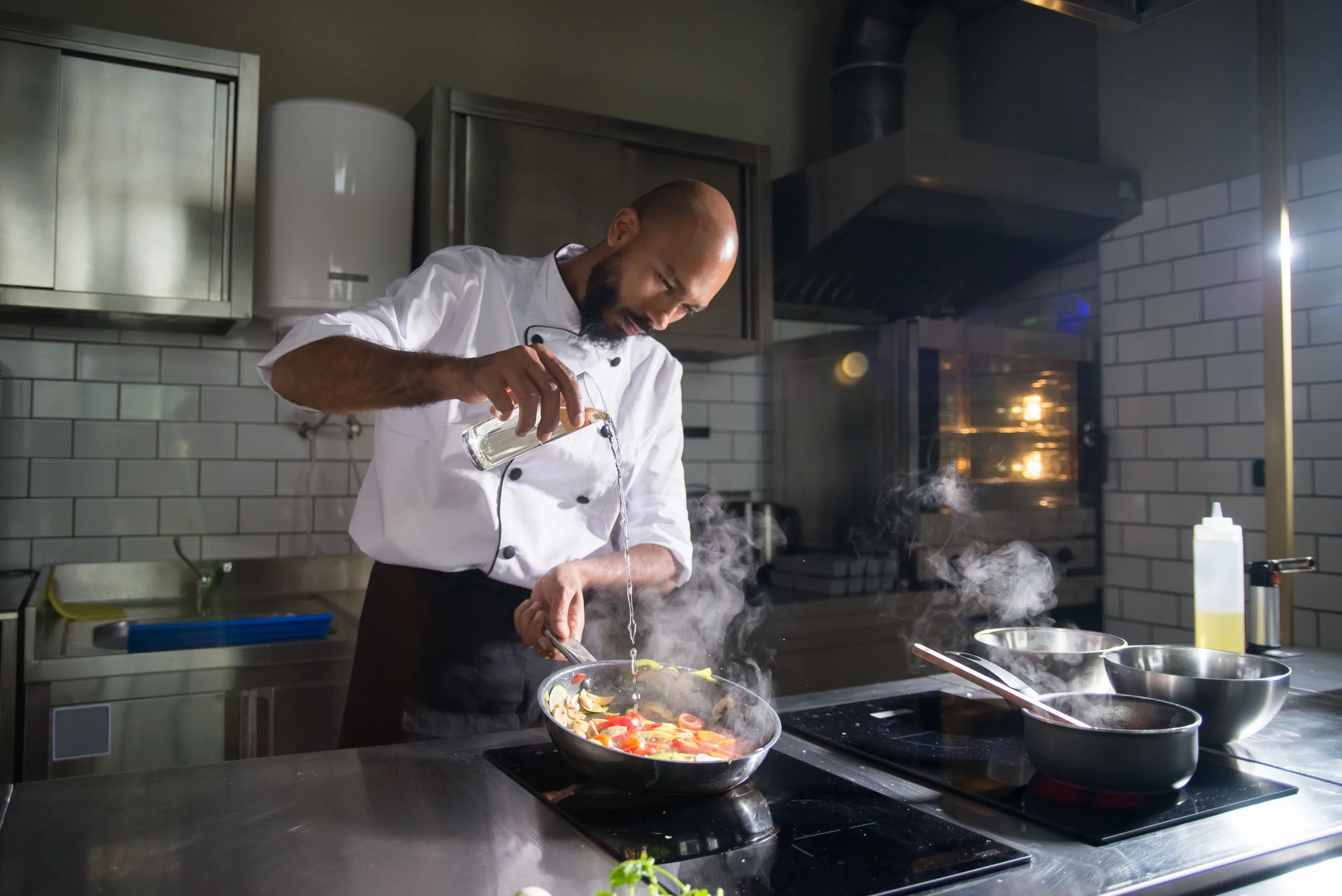
Opening or upgrading a restaurant comes with one expense that catches almost every owner off guard: the kitchen. Ranges, fryers, walk-in coolers, ventilation, prep tables, dish stations. It adds up fast, and most of it has to be in place before you can serve a single plate. That’s where restaurant equipment financing comes in. It gives operators a way to get the kitchen built out without draining the cash they need for payroll, inventory, and rent.
Whether you’re opening your first location or adding a second kitchen, here’s what you need to know about financing the equipment that keeps a restaurant running.
New restaurant owners are often surprised by just how much a fully equipped kitchen costs. According to industry cost breakdowns from CKitchen, total restaurant startup costs commonly range from $275,000 to over $1 million depending on the concept and location, and kitchen equipment is consistently one of the biggest line items inside that number.
A few specific numbers help put it in perspective. Commercial kitchen cost guides put the build-out range at $15,000 to $250,000, and that’s before you account for the construction and ventilation work around it. On the equipment side, individual pieces carry their own sticker shock. Commercial ranges alone typically run $1,500 to $10,000 depending on size and burner configuration, convection ovens range from roughly $1,200 to $12,000, and walk-in coolers and freezers average between $6,000 and $15,000.
Multiply that across a full kitchen (ranges, ovens, fryers, refrigeration, prep stations, ventilation, dish equipment) and it’s easy to see why so many new and growing restaurants turn to financing instead of trying to pay cash for all of it upfront.
Restaurant equipment financing isn’t limited to just the big-ticket cooking line. Most lenders will finance commercial ranges, ovens, griddles, and fryers, walk-in coolers and freezers, reach-ins, and refrigerated prep tables, ventilation hoods and fire suppression systems, dishwashers, thee-compartment sinks, and prep tables, ice machines, beverage equipment, and bar build-outs, plus POS systems and kitchen display technology.
Some lenders will also roll soft costs like installation, delivery, and minor build-out work into the financed amount, which matters since equipment rarely shows up ready to plug in. Ventilation and electrical work in particular tend to be where new owners get caught off guard, since hood systems and gas line work often require licensed installation on top of the equipment cost itself.
One advantage specific to restaurant equipment financing is that lenders are generally comfortable financing used equipment, not just new. This matters because buying used can meaningfully reduce what you need to finance in the first place. Some estimates suggest used equipment can cut startup costs by as much as half compared to buying everything new. For ovens, ranges, and refrigeration units in particular, a well-maintained used piece can perform just as reliably as new for a fraction of the price, which keeps your loan amount and monthly payment lower.
That said, equipment age and condition still matter to underwriters. A 15-year-old reach-in cooler is a different risk than a two-year-old one, and lenders will often ask for documentation on used equipment, including make, model, age, and sometimes a bill of sale, before approving financing against it.
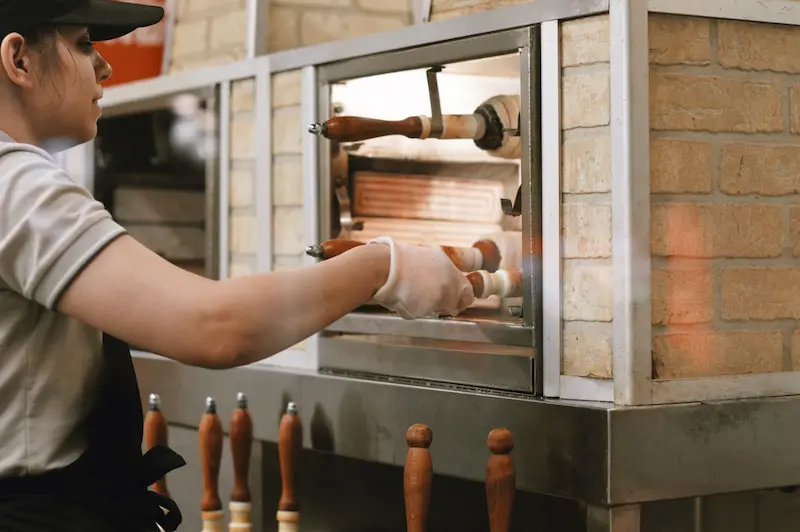
The financing conversation looks a little different depending on whether you’re opening a brand-new location or replacing equipment in one that’s already operating.
New locations typically need a full equipment package financed at once, which means lenders will look closely at your business plan, the lease for the space, and your personal credit if the entity itself has no operating history yet. Because so much of the build-out has to happen before the doors open, timing matters. Financing needs to be lined up well before your target opening date, not after equipment has already been ordered.
Existing restaurants replacing or adding equipment generally have an easier path, since they can point to real revenue, time in business, and a track record. A walk-in cooler that finally needs replacing or a second fryer to handle growing volume is a more straightforward approval than a from-scratch build-out, and these deals often move faster as a result.
One thing that makes financing restaurant equipment even more attractive is the tax side. The Section 179 deduction allows businesses to deduct the full purchase price of qualifying equipment in the year it’s placed into service, rather than depreciating it over several years. For 2026, the maximum deduction is $2,560,000, with the phase-out beginning above $4,090,000, and the deduction applies to both new and used equipment.
In practice, this means a restaurant that finances a kitchen build-out can potentially write off the full cost of that equipment on this year’s taxes, even though they’re paying for it over time through monthly payments. Financed payments paired with an immediate tax deduction is part of why so many operators choose to finance equipment rather than wait to pay cash. As always, confirm specifics with your tax professional, since eligibility depends on your business’s taxable income and how the equipment is used.
Restaurant equipment financing approvals generally come down to a few factors. Time in business matters, since established restaurants typically qualify for better terms than brand-new entities. Revenue and cash flow matter too, because lenders want to see the business can support the new payment alongside existing expenses. The equipment itself plays a role, as newer, well-documented equipment (new or used) is easier to finance than older or custom-built items. And personal credit is especially relevant for new restaurants without an operating history to lean on.
Restaurants are considered a higher-risk industry by many traditional banks, which is part of why working with a lender or broker that specializes in equipment financing, rather than a general business loan, tends to produce better approval odds and terms.
If you’re planning a new restaurant opening or a kitchen upgrade, the smartest move is to get prequalified before you start ordering equipment. That way you know your budget and approval terms ahead of time, instead of discovering financing limitations after you’ve already committed to a build-out timeline. TrueCore Capital works with restaurant owners to structure equipment financing around the realities of opening or running a kitchen, including the build-out costs, ventilation, and soft costs that often get left out of a basic equipment quote.
Ready to see what you qualify for? Give us a call at (805) 422-7342 or submit a contact form below to get started — no hard pull, no pressure.



 July 5, 2024
 July 5, 2024
 July 5, 2024


 by Augustine Sung