
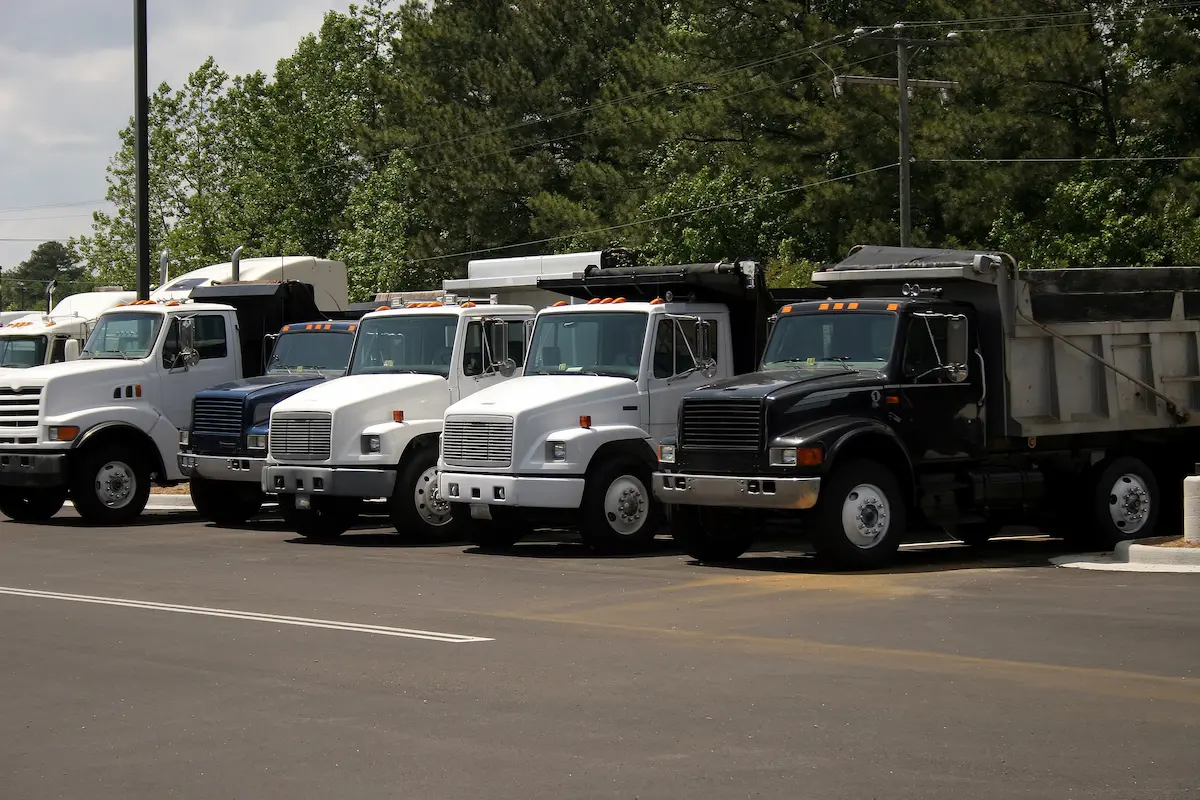
When many people think about commercial truck financing, they picture a standard semi-truck hauling freight across state lines. But in today’s market, that’s not always the easiest truck to finance.
In many cases, vocational truck financing can be more attractive to lenders than traditional OTR semi-trucks. That is because these trucks are often used differently, hold up differently, and serve a more specific business purpose. A dump truck, tow truck, service truck, vacuum truck, or other vocational unit is typically tied directly to a defined job function. It is not just another truck on the road — it is a revenue-producing tool built for a specific application. NTEA describes work trucks as specialized commercial vehicles produced for diverse applications, often on a custom-order basis rather than like mass-market passenger vehicles.
That distinction matters when lenders evaluate risk.
One of the biggest differences between vocational trucks and traditional long-haul units is how they are used.
An OTR truck is built to rack up highway miles. It may spend long stretches on the road, move across multiple states, and take on the kind of constant mileage and wear that comes with extended freight operations. By contrast, many vocational trucks operate on shorter routes, around jobsites, within local territories, or in more predictable service areas.
That does not mean vocational trucks avoid wear entirely. They absolutely still work hard. But from a lender’s perspective, there is often a meaningful difference between a truck designed for specialized local or regional work and a truck built for nonstop over-the-road use. In many cases, the vocational unit may present a cleaner collateral story because it is not absorbing the same long-distance mileage patterns as a typical OTR tractor.
Another reason vocational trucks can be easier to finance is that the collateral story is often stronger.
With many OTR truck deals, lenders may worry about heavy mileage accumulation, broad exposure to freight market swings, and faster deterioration tied to long-haul use. With vocational equipment, the truck is often tied to a more defined purpose and a more stable operating model. A dump truck may support construction work. A tow truck may support an established recovery business. A service truck may be essential to a field repair company. A vacuum truck may support septic, sewer, or environmental service work.
That use-case clarity can matter. When a truck is closely aligned with a borrower’s actual business operations, lenders may have more confidence that the unit is being purchased for a clear revenue-producing reason rather than simply to chase general freight opportunities.
In the current space, many lenders and finance partners tend to view vocational trucks as stronger assets than standard OTR units.
A big reason is that vocational trucks are often purpose-built and can retain value well when they are properly spec’d, maintained, and matched to a real business need. NTEA’s industry materials emphasize how specialized these vehicles are, with the chassis serving as the foundation for a wide variety of vocational bodies and equipment.
That specialization can actually help the financing story when the truck fits a healthy industry and a proven operator. The lender is not just looking at “a used truck.” They are looking at a truck with a defined commercial role.
By comparison, a standard sleeper tractor in the OTR world may face more pressure from mileage, broader market volatility, and more borrower overlap in a highly competitive freight environment. That can make some OTR deals harder to place, especially when the truck is older, has high miles, or the borrower profile is thin.
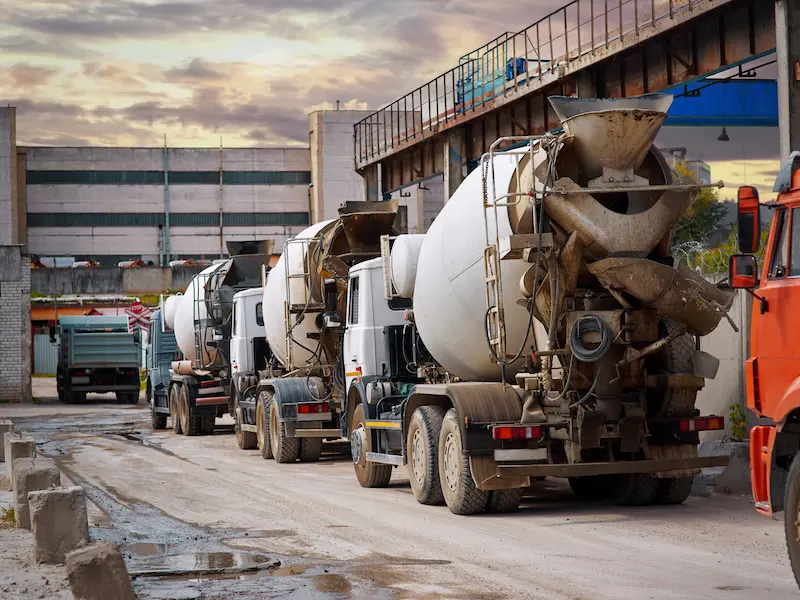
This is a part that many borrowers do not realize: vocational truck financing can often be easier to get approved than OTR truck financing.
That is not because lenders are being generous. It is because they may simply feel better about the combination of:
• the asset itself
• the truck’s use case
• the borrower’s business story
• the long-term collateral profile
A vocational truck often supports a business with a direct service model. It may be tied to local contracts, recurring work, municipal demand, construction activity, roadside recovery, maintenance routes, or essential field services. That can create a more grounded credit story than an OTR borrower relying entirely on open freight conditions.
For lenders, a vocational deal can feel less speculative when the truck is clearly being added to support existing work.
A common assumption is that a specialized truck must be harder to finance because it is more niche. In reality, that is not always the case.
Yes, vocational trucks are more specialized than standard highway tractors. But specialization can work in the borrower’s favor when the truck is aligned with the business. NTEA specifically notes that work trucks are built around a wide range of applications and equipment variations, which reinforces that these are purpose-built assets, not generic vehicles.
For the right borrower, that can make the deal more financeable, not less.
A lender may be much more comfortable financing a well-maintained dump truck for a contractor with active jobs than financing an older OTR tractor for a borrower trying to break into long-haul freight with limited operating history.
For borrowers shopping for commercial vehicle financing, the takeaway is simple: not all truck deals are looked at the same way.
If you are financing a vocational unit, there is a good chance the truck will be evaluated more favorably than a comparable OTR unit, especially if:
• the truck supports a clear business purpose
• the industry is stable
• the equipment is in good condition
• the borrower has experience in that line of work
• the truck has not been beaten up by long-haul mileage patterns
That is why many borrowers are surprised to learn they may have better approval odds on a vocational truck than on a standard semi-truck.
In today’s market, vocational trucks are often easier to finance than OTR trucks because lenders frequently view them as stronger, more practical collateral. They are typically tied to a specific business function, may avoid the same long-haul wear and tear as over-the-road units, and often present a cleaner overall financing story.
That is where working with the right financing partner matters.
At Truecore Capital, we understand that not all truck deals are the same. A dump truck, tow truck, service truck, vacuum truck, or other vocational unit should not be looked at the same way as a standard OTR tractor. These trucks are often essential revenue-producing assets for your business, and the financing approach should reflect that.
Whether you are replacing an existing unit, expanding your fleet, or purchasing your first vocational truck, Truecore Capital can help you structure financing around the truck’s actual use case, your business goals, and the realities of today’s lending market. If you are looking for a financing partner that understands why vocational units often stand out more favorably than standard OTR equipment, our team is here to help you navigate your options and move your deal forward.
Fill out a form below or speak with one of our representatives at (805) 422-7342 and we’ll happily walk you through the process!
Sources:
• NTEA, “OEM Chassis Considerations Guide,” [https://www.ntea.com/sites/default/files/2025-04/OEM%20Chassis%20Considerations%20Guide_0425.pdf].



 July 5, 2024
 July 5, 2024
 July 5, 2024


 by Augustine Sung