
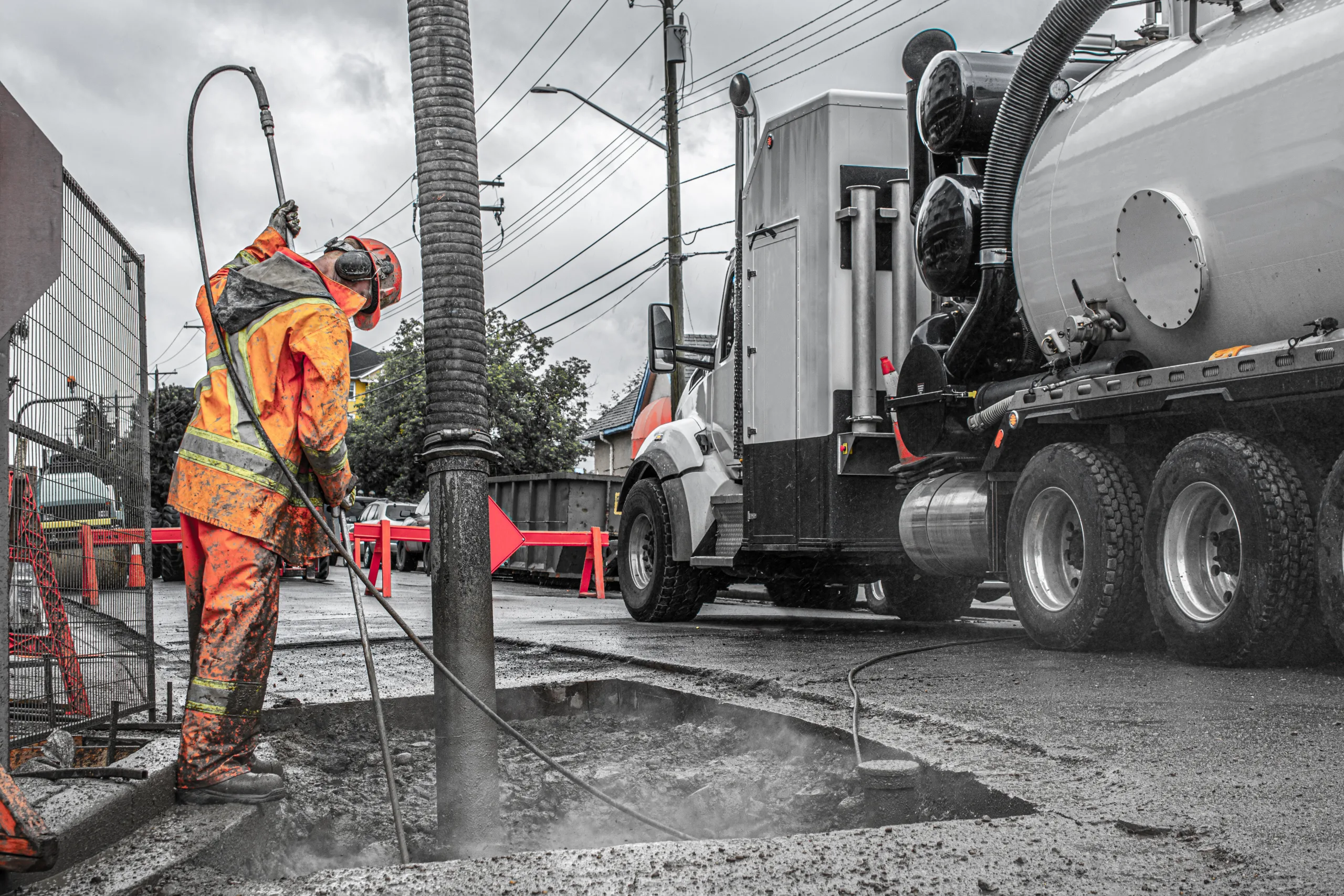
The wastewater and environmental services industry is entering one of its most active growth periods in decades.
Between federal infrastructure funding, aging municipal systems, and increased environmental regulation, demand for septic services, sewer inspection, hydro excavation, and vacuum truck operations continues to climb.
But here’s the challenge: growth in this industry requires capital. And the equipment required to stay competitive isn’t cheap.
For operators evaluating wastewater equipment financing or vacuum truck financing, 2026 presents both major opportunity — and serious financial decisions.
Let’s break down what’s shaping the industry right now.
Federal infrastructure legislation is still working its way through state and municipal systems. Governing Magazine’s analysis of water infrastructure investment needs suggests that the U.S. will need approximately $3.4 trillion over the next 20 years to modernize drinking water, stormwater, and wastewater systems across the country — emphasizing the scale of investment opportunity in the sector.
That funding translates into:
• Sewer rehabilitation projects
• Lift station upgrades
• Stormwater improvements
• Municipal maintenance contracts
• Septic system expansion in growing regions
For wastewater contractors, this means opportunity — but only if fleet capacity can support it.
Contractors who can mobilize quickly with the right equipment win bids. Those running outdated trucks risk downtime and lost contracts.
Vacuum trucks, jetters, hydro-excavation units, and CCTV inspection systems are far more technologically advanced than they were even five years ago.
Modern trucks now include:
• Digital camera inspection systems
• Telematics and fleet tracking
• Improved emissions systems
• Higher-capacity tanks
• Automation features for efficiency
But the price tag reflects that innovation. A new combination sewer truck can easily run $400,000-$600,000+; even used units remain in high demand and elevated in price due to supply constraints and strong market demand.
For most operators, paying cash for this type of equipment would drain working capital — capital that’s needed for payroll, fuel, insurance, and expansion.
That’s where strategic wastewater equipment financing becomes a growth tool rather than a cost.
The skilled trades labor shortage isn’t slowing down. The U.S. Bureau of Labor Statistics continues to project steady demand for water and wastewater treatment operators over the next decade, as outlined in its Occupational Outlook Handbook.
With hiring challenges persisting, many wastewater operators are investing in:
• More efficient combination trucks
• Hydro-excavation equipment to reduce manual labor
• Technology that increases output per crew
• Preventative maintenance tools to reduce downtime
Equipment is no longer just about replacing an old truck — it’s about maximizing revenue per employee.
In this environment, vacuum truck financing allows operators to upgrade without compromising liquidity.
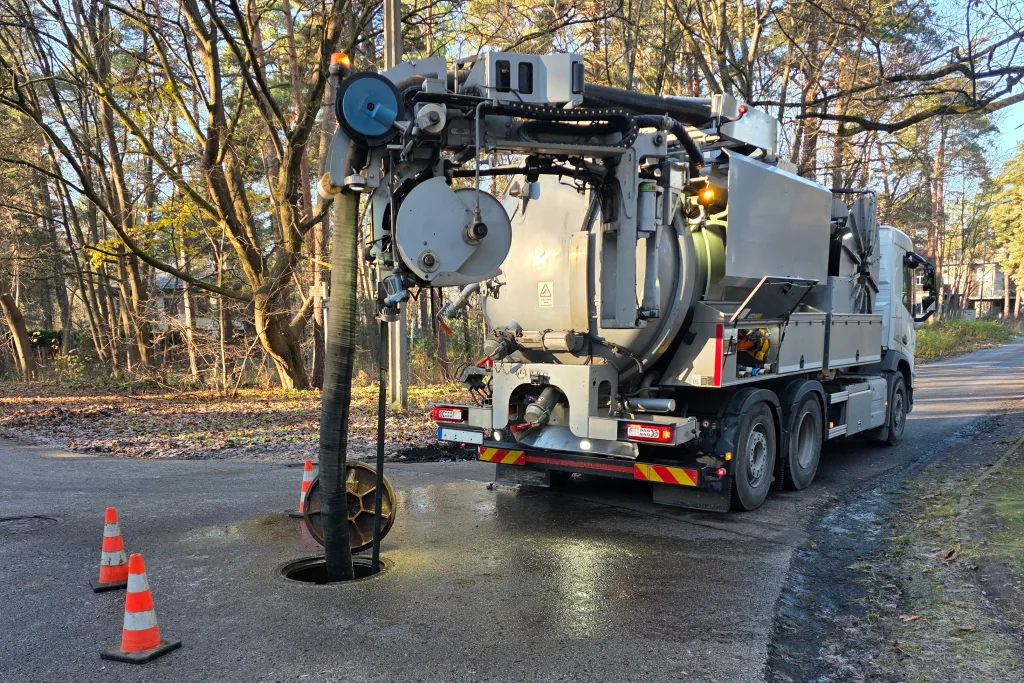
Environmental oversight is increasing at both state and federal levels.
Wastewater disposal documentation, emissions compliance, and jobsite safety requirements continue to evolve. Equipment that meets current standards reduces regulatory risk and protects profitability.
Older diesel units with outdated emissions systems may expose companies to compliance issues or restricted job eligibility — particularly on municipal projects.
Upgrading through structured financing allows operators to:
• Stay compliant
• Reduce liability
• Improve safety standards
• Position for larger public-sector contracts
In other words, financing is often less expensive than falling behind.
Private equity and regional consolidation have entered the wastewater and environmental services space in a meaningful way.
Larger operators are acquiring smaller service providers to expand geographic coverage and fleet size.
For independent operators, this means competition is getting more sophisticated.
The companies that remain competitive are those that:
• Maintain reliable, modern fleets
• Protect cash flow
• Scale strategically
• Invest ahead of demand
Access to flexible wastewater equipment financing gives independent operators leverage to compete without overextending themselves.
In a capital-intensive industry, growth is rarely limited by demand — it’s likely more limited by access to the right equipment.
The right financing structure allows wastewater contractors to:
• Preserve working capital
• Avoid tying up credit lines
• Match payments to revenue cycles
• Upgrade without delaying opportunity
If you’re evaluating a new or replacement unit, especially a high-value truck, structured vacuum truck financing can allow you to move quickly when inventory becomes available — which is critical in today’s market.
Check out our previous blog post for a refresher on How to Qualify for Equipment Financing.
The wastewater and environmental services industry is positioned for sustained growth — driven by infrastructure investment, environmental regulation, and population expansion.
But growth in this industry requires equipment — and equipment requires capital.
Strategic wastewater equipment financing and vacuum truck financing are no longer reactive decisions — they’re proactive growth strategies.
Operators who modernize their fleet, protect working capital, and position ahead of demand will be the ones winning contracts in 2026 and beyond.
If you’re planning to expand your fleet, replace aging units, or secure a high-value truck before peak season, now is the time to evaluate your financing strategy.
At Truecore Capital, we specialize in wastewater equipment financing and structured vacuum truck financing for operators who need speed, flexibility, and real-world industry understanding. Whether you’re purchasing new or used equipment, refinancing an existing unit, or planning ahead for infrastructure-driven growth, our team can help you structure a solution that aligns with your cash flow and long-term goals.
Let’s talk through your options.
You can reach out directly to discuss your project, or fill out our quick application to get started in minutes. We’ll review your scenario, walk you through your best options, and help you move forward with confidence — without draining your working capital.
When opportunity shows up, the right financing partner helps you act fast.
👉 Give us a call at (805) 422-7342 or submit a quick contact form below to get started!
Sources:
• Governing, “The Water Infrastructure Investments States Will Need,” [https://www.governing.com/infrastructure/the-water-infrastructure-investments-states-will-need].
• U.S. Bureau of Labor Statistics, “Occupational Outlook Handbook,” [https://www.bls.gov/ooh/production/water-and-wastewater-treatment-plant-and-system-operators.htm].


 July 5, 2024
 July 5, 2024
 July 5, 2024


 by Augustine Sung