

For many seasonal contractors, summer isn’t just another season — it’s the revenue engine that carries the entire year. For many contractors, summer isn’t just another season — it’s the revenue engine that carries the entire year.
Landscaping companies ramp up weekly maintenance contracts. Paving crews operate within narrow weather windows. Septic and vacuum truck operators see increased service demand. Concrete contractors, excavation crews, pool builders, HVAC installers, and tree service companies all experience predictable seasonal spikes.
According to the U.S. Bureau of Labor Statistics, construction and specialty trade employment consistently increases during late spring and summer months — reflecting the seasonal demand cycle many contractors experience.
The busy season isn’t a surprise.
So why do so many businesses wait until it’s already here to secure seasonal equipment financing?
Seasonal industries follow a rhythm:
• Spring: Preparation
• Summer: Peak revenue
• Fall: Taper
• Winter: Planning
If your revenue spike is predictable, your equipment strategy should be as well.
Yet many contractors don’t begin exploring contractor equipment financing strategies until May or June — when they’re already booked, stretched thin, and operating at capacity.
That’s where unnecessary friction comes from.
Waiting until the summer rush to secure seasonal equipment financing can create avoidable challenges:
1. Equipment Inventory Tightens
Popular machines — skid steers, compact loaders, service trucks, and dump bodies — move quickly once demand spikes. Contractors exploring dump truck financing options mid-season often find fewer inventory choices and longer lead times.
2. Delivery Delays Increase
Vendors get backed up. Transportation schedules fill. Equipment that could have been operational in May arrives in July. Higher demand leads to unfortunate delivery delays.
3. Lenders Get Busier
As peak season approaches, application volume increases. Starting your equipment financing process earlier allows for cleaner underwriting and more structuring flexibility.
4. Financials Can Look More Stressed
Mid-season bank statements often show heavier outgoing expenses — fuel, labor, materials — which can compress margins and affect approvals.
5. Missed Contracts
The most expensive cost isn’t interest. It’s the job you couldn’t accept because the equipment wasn’t ready.
Reactive decisions tend to cost more than proactive planning.
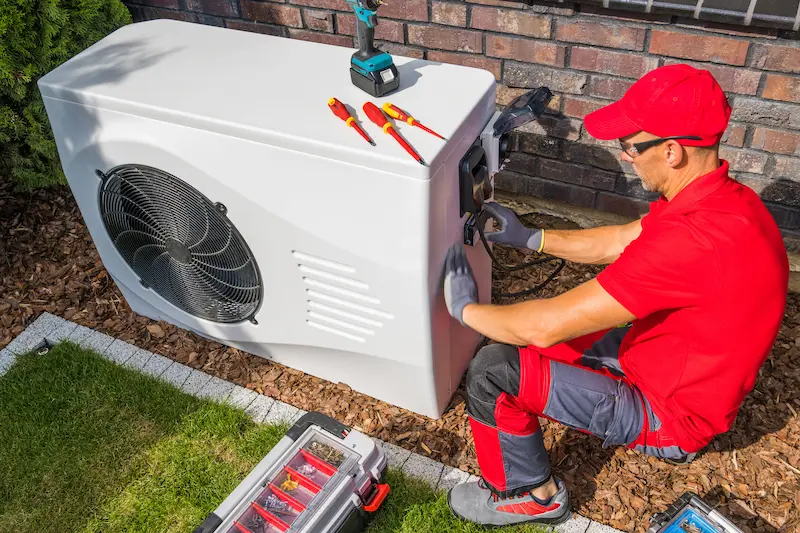
Spring provides a cleaner, more strategic environment to secure seasonal equipment financing. Here’s why:
Cleaner Financial Snapshot
Year-end financials are complete, taxes are being finalized, and lenders have a clearer performance picture.
Stronger Inventory Availability
Dealers typically have better stock levels before peak demand accelerates — especially for heavy-use equipment like vacuum trucks. Businesses exploring vacuum truck financing solutions earlier in the year often have more flexibility in model selection and pricing.
Structuring Flexibility
When you’re not under pressure, you can compare term lengths, down payments, and seasonal payment structures rather than rushing into the first available approval.
Operational Readiness
Securing seasonal equipment financing in spring ensures equipment is delivered, insured, and fully operational before summer contracts begin.
Preparation removes pressure.
One of the biggest misconceptions about equipment financing is that payments automatically create strain. For seasonal operators, properly structured seasonal equipment financing can align with revenue increases.
For example:
• Equipment financed in April
• Delivered and operational in May
• Peak revenue begins in June
Instead of draining cash reserves upfront, financing preserves liquidity heading into your busiest months. The U.S. Small Business Administration notes that insufficient working capital is one of the most common challenges small businesses face during growth periods — especially in seasonal industries.
Preserving cash allows you to:
• Expand payroll
• Cover fuel and materials
• Increase marketing
• Take on additional contracts
• Manage unexpected repairs
In many cases, the equipment helps generate revenue that far exceeds its monthly payment — but only if it’s ready before demand spikes.
Waiting too long to secure seasonal equipment financing can create avoidable costs:
• Higher down payments due to urgency
• Limited program options
• Equipment substitutions
• Delayed project starts
• Lost service contracts
In competitive markets, the seasonal contractor who is prepared wins the job.
The one who is scrambling loses leverage.
Seasonal industries will always have peaks and valleys. But the businesses that grow year over year are the ones that:
• Anticipate demand
• Secure equipment early
• Preserve working capital
• Structure financing intentionally
Whether you’re in landscaping, paving, septic services, concrete, excavation, HVAC, or tree services — seasonal equipment financing secured in spring can define profitability in summer.
If you know your busy season is coming, now is the time to start the conversation.
If your business ramps up in the summer, don’t wait until you’re booked out and stretched thin.
At Truecore Capital, we structure seasonal equipment financing programs around real-world cash flow cycles — not generic templates.
The earlier the conversation starts, the more flexibility you have.
Let’s make sure your equipment is ready before the rush — not during it.
👉 Speak with our team today to secure approvals ahead of peak season and position your business for a stronger summer — (805) 422-7342 or fill out a quick form below and a representative will reach out to you shortly!
Sources:
• U.S. Bureaur of Labor Statistics, “Industries at a Glance,” [https://www.bls.gov/iag/tgs/iag23.htm].
• SBA, “Interagency capital resources for small businesses,” [https://www.sba.gov/priorities/small-business-resource-hubs/interagency-capital-resources-small-businesses].


 July 5, 2024
 July 5, 2024
 July 5, 2024


 by Augustine Sung