
Most business owners start with the same question:
“Can I afford this monthly payment?”
But for growing companies, a better question — and a more strategic one — is:
“How much revenue am I losing without this equipment?”
Equipment should be thought of as a revenue-generating tool, not just a cost. When you approach equipment financing this way, it becomes a growth driver, not just an expense.
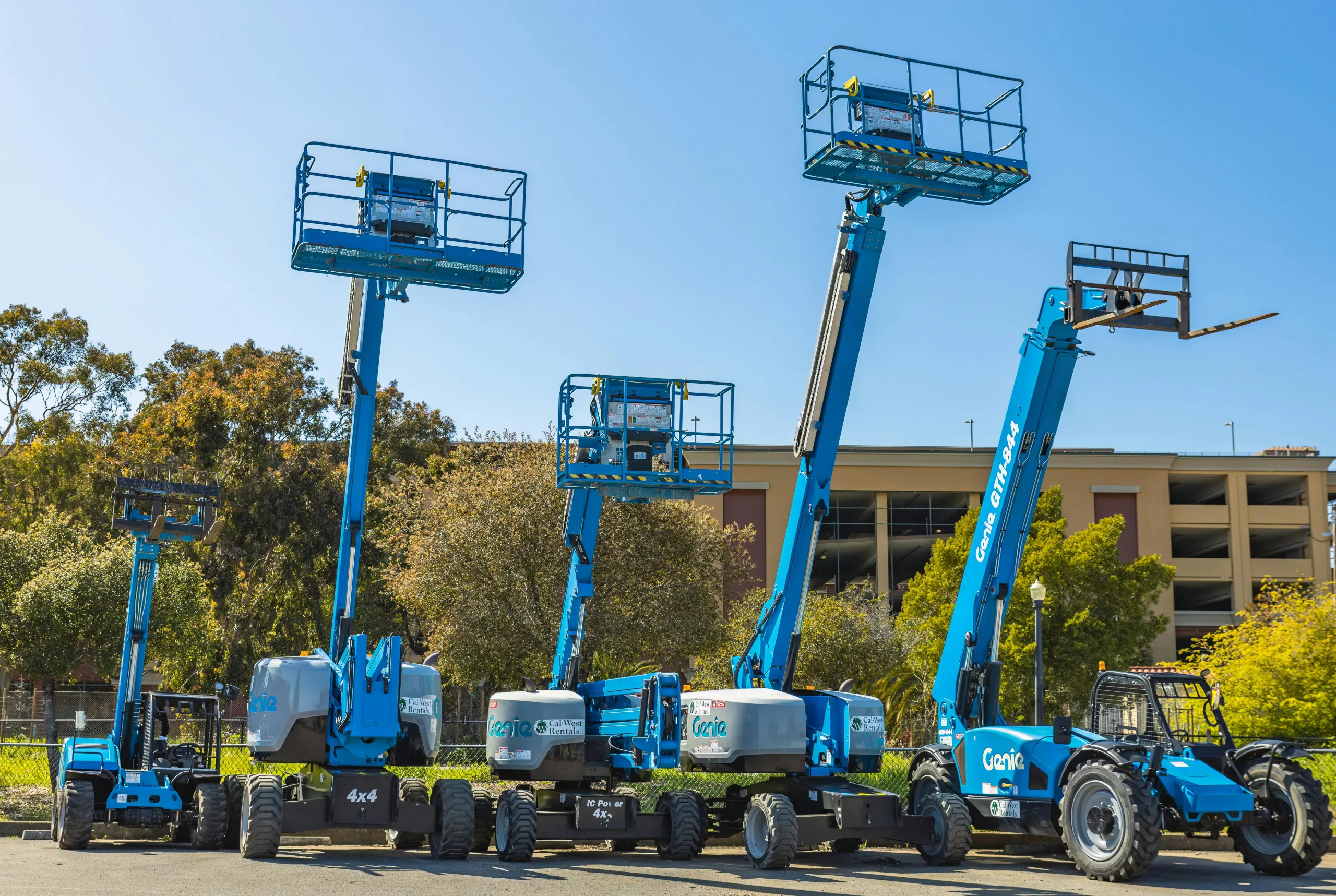
If your current fleet or machinery is tied up, worn out, or simply not enough to meet demand, your business hits a capacity ceiling. That means turning down work, scheduling projects further out, or losing out to competitors who can mobilize faster.
Instead of viewing financing as a burden, it can become a way to expand what your business can do — creating the ability to take on:
• Multiple jobs at once
• Larger contracts
• Peak-season demand
This kind of expansion directly feeds your top line.
One of the major benefits of equipment financing is that it helps businesses preserve cash while still acquiring what they need to grow. Instead of paying a large sum upfront, financing allows you to spread the cost over time and keep more of your cash available for other priorities like payroll, materials, marketing, or unexpected expenses — a strategic advantage for scaling companies. In fact, as J.P. Morgan states, the ongoing nature of making monthly payments allows businesses to manage cash flow more predictably while still investing in growth initiatives.
Keeping capital available also gives you the flexibility to respond to new opportunities as they arise, instead of being locked in by a cash purchase.
In many industries — from construction and logistics to manufacturing and trades — capability matters. Some larger or higher-value jobs simply require newer, more capable equipment. Without it, your company might be limited to smaller jobs, or you might have to rely on rentals and temporary fixes that slow your workflow and eat into profits.
According to Equipment Leasing and Finance Association, one of the key reasons businesses choose to finance their assets is to stay up-to-date with technology and productivity tools that help them remain competitive.
By financing the right equipment, you’re not just buying tools — you’re positioning your business to:
• Take on larger scopes of work
• Complete jobs more efficiently
• Build a reputation for reliability
That’s how more work becomes repeat work.
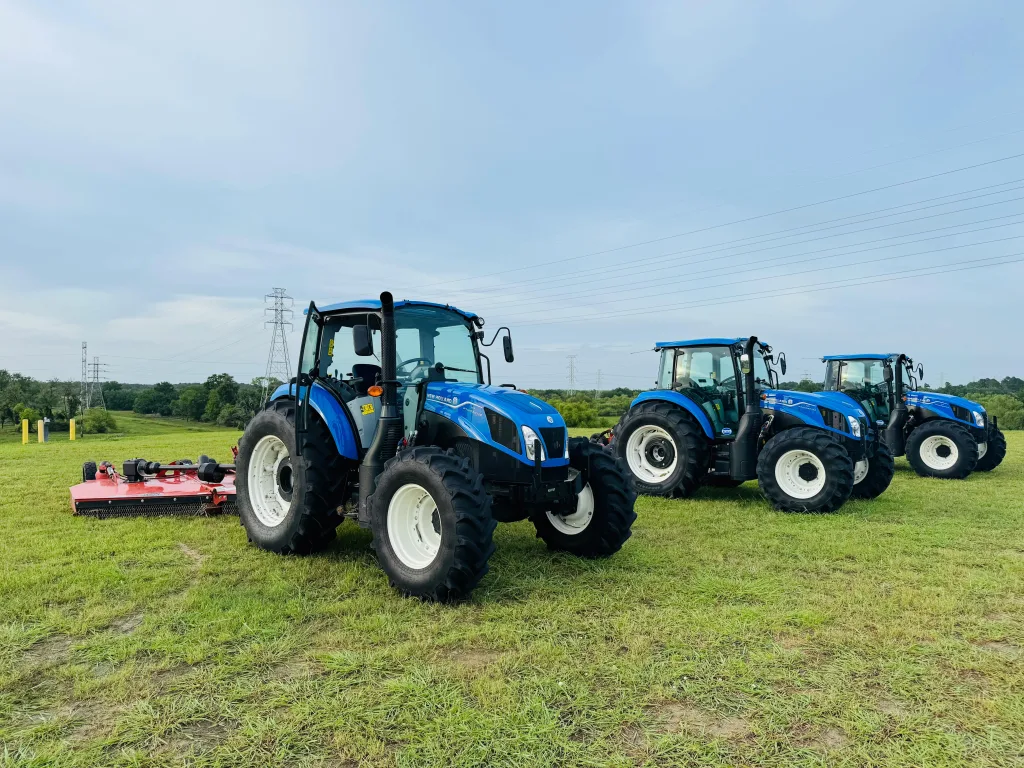
Old or inadequate equipment doesn’t just delay projects — it costs you real money. Every hour a key piece of machinery sits idle due to breakdowns or inefficiency can directly translate into lost revenue. Industry estimates show that even short periods of equipment downtime can rack up hundreds of dollars per hour in lost productivity and secondary costs like rescheduling crews or idle labor.
When you factor in future jobs you can’t take because of downtime today, this becomes less about cost and more about investment.
Instead of asking: “Can I afford this equipment payment?”
Growth-focused businesses ask: “What revenue, contracts, and opportunities am I missing without this equipment?”
That subtle shift changes how purchasing decisions are made. Equipment becomes a tool for revenue generation, not just something you pay for.
The mindset influences:
• When you buy
• What you buy
• How you structure financing
• How you plan for growth
And that’s where smart financing partners like Truecore Capital shine — by helping you align equipment decisions with business outcomes, not just payments.
Whether you’re looking to expand capacity, take on larger jobs, or replace equipment that’s holding your business back, the right financing structure can make all the difference. Our team works with businesses across industries to match equipment purchases with smart, sustainable payment plans that support real growth.
👉 Give us a call at (805) 422 – 7342 or submit a quick contact form below to get started.
Sources:
• J.P. Morgan Chase, “Understanding equipment financing for businesses,” [https://www.jpmorgan.com/insights/banking/financing/equipment-loans-and-financing-how-they-work-and-their-benefits].
• Equipment Leasing and Finance Association, “8 Reasons Businesses Lease and Finance Equipment,” [https://www.equipmentfinanceadvantage.org/toolkit/articles/8reasons.cfm].


 July 5, 2024
 July 5, 2024
 July 5, 2024


 by Augustine Sung