

As Q4 wraps up and businesses across the country prepare for 2026 demand, equipment purchases continue to surge — especially among construction firms, trucking fleets, recovery operators, manufacturers and agricultural operators.
But that year-end pressure leads many buyers to rush decisions that drain capital, limit growth, or cause preventable financing issues later on. A smart purchase now can fuel next year’s growth — a rushed one can do the opposite.
Below are the five most expensive year-end equipment-buying mistakes businesses make — and how to avoid them.
The biggest mistake isn’t always what you buy — it’s when you apply.
Underwriters, lenders, and dealers are flooded in December. Inventory moves fast, approval processing slows, and many buyers wait until they’ve found a unit — but by then they’re racing the calendar.
Why this costs money:
– Approvals take longer when volume spikes
– Inventory can disappear before financing finalizes
– Last-minute applications risk missing Section 179 deduction placement deadlines
Smart Move: Get Approved Before You Shop
– Pre-approval lets you move fast on the right unit — not scramble to catch it as it sells.
Paying cash up front might feel like a simple, debt-free approach — but if often sacrifices the liquidity that businesses need to stay agile. Even profitable operations can run into trouble if a major equipment outlay drains reserves needed for payroll, fuel, maintenance, or unexpected opportunities.
A recent Bankrate analysis of small-business equipment loans highlights why financing often makes more sense: equipment loans let companies “access large assets … without tying up large sums of cash,” preserving working capital for operations, growth, or unexpected needs.
Smart Move: Finance or Lease Instead of Paying Cash
– Financing converts a large expenditure into manageable monthly payments — freeing up cash for operations, working capital, or other investments, and reducing the risk that a single purchase will impair your business’s flexibility or future growth potential.
Sticker price is just one part of the equation; If you only look at upfront cost, you might miss the bigger picture — maintenance, fuel, downtime, depreciation, insurance, and resale value all factor into what owning the equipment really costs over its lifetime.
That’s why many fleet managers and equipment buyers rely on the concept of Total Cost of Ownership (TCO) when evaluating major equipment purchases. According to a recent heavy-equipment guide by Gregory Poole CAT, TCO includes not just the purchase price but also ongoing fuel, maintenance, operating costs, depreciation, and eventual resale value — all of which significantly affect long-term profitability.
Why This Costs Money When You Ignore It:
– A cheaper machine may require frequent repairs, increasing downtime and labor costs.
– Poor fuel efficiency or higher operating costs erode savings over time.
– A low-resale-value unit can leave you with less trade-in equity when you upgrade.
– Hidden costs — insurance, parts, idle time, disposal — accumulate, sometimes exceeding the initial savings.
Smart Move: Buy for Lifecycle ROI, Not Just Upfront Savings
When you use a TCO-based analysis to guide purchasing decisions, you base your choice on true long-term value, not a misleading “deal” price. Consider:
– Estimated operating costs per hour or per job.
– Projected maintenance and repair schedules.
– Fuel use and efficiency.
– Resale or trade-in value after several years.
Even if the monthly payment is slightly higher, a machine with lower lifetime costs — less downtime, lower fuel use, manageable maintenance, strong resale — will often pay for itself many times over.
Many businesses enter Q4 thinking only about replacing aging equipment — not expanding their fleet. Replacement keeps you running, but it rarely moves you forward. Upgrading an old unit maintains status quo, adding a unit increases output.
Replacing a single truck, skid steer, backhoe, dozer, or wrecker might improve reliability, but it doesn’t increase the number of jobs you can accept, the routes you can run, the drivers you can put on the road, or the contracts you can bid. Expansion, however, is catalytic — one additional machine can unlock revenue that replacement alone can’t touch.
If workload is growing, job requests are increasing, or you’re turning down work because you don’t have the equipment — that’s a signal. And year-end is often the best time to scale, because financing availability, tax incentives, and seasonal planning align all at once.
Smart Move: Upgrade the Question to Upgrade the Outcome
Instead of thinking: “Which unit should I replace?”
Think: “What could one more unit generate for us next year — in revenue, capacity, and competitive advantage?”
A fleet that grows earns; A fleet that only replaces breaks even.
Sometimes the most profitable decision isn’t swapping old for new — it’s giving your business the ability to do more than it could last year. Expansion compounds, and the returns multiply long after the equipment is delivered.
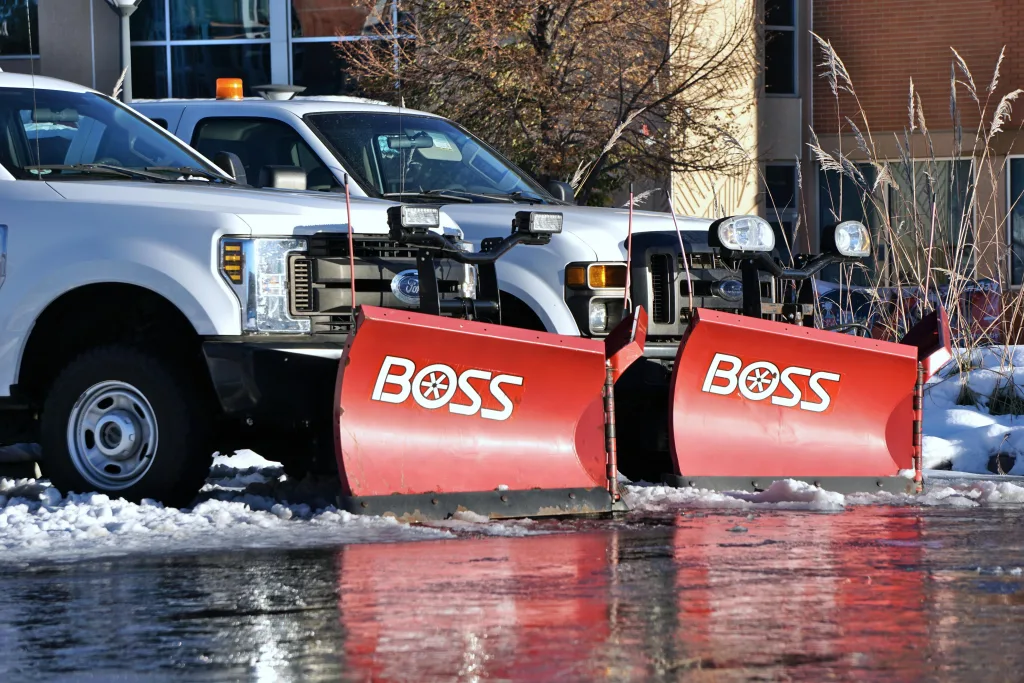
Construction kicks up. Freight contracts release. Recovery call volume increases. Agriculture prepares for planting season. Manufacturing output rises.
Q1 is busy — and equipment scarcity is real.
Businesses who wait until spring to buy often experience inventory backlog, slower underwriting speeds, and sometimes higher pricing due to seasonal demand competition.
Smart Move: Secure Equipment Before the Rush Begins
December-January buyers enter the year fully equipped, staffed, and revenue-ready. They don’t scramble to source units while competitors are already working — they’re already deployed, producing income, and booking contracts.
The difference is timing, not effort — starting the year with equipment in hand means you capitalize on volume instead of chasing it. When the market heats up, you’re not waiting — you’re already earning.
Start 2026 From a Position of Strength with Truecore Capital
The smartest buyers aren’t the ones who wait — they’re the ones who move proactively, lock in equipment before the rush, and preserve capital so they can scale instead of stall.
Whether you’re looking to replace aging equipment, expand your fleet, or take advantage of year-end tax incentives, Truecore Capital can help you secure the terms, structure, and flexibility that position your business to win.
If you’re considering equipment this month — now is the time to act.
Here’s how we help you move forward:
💠 Fast pre-approvals with no obligation
💠 Financing options that protect your working capital
💠 Approvals for start-ups, established companies, and fleet expansions
💠 Funding for trucks, trailers, construction equipment, ag machinery & more
Get approved now and start 2026 ahead of your competitors — not behind them. Give us a call at (805) 422-7342 or submit a quick contact form below to get started.
Sources:
– Bankrate, “Pros and cons of equipment loans,” [https://www.bankrate.com/loans/small-business/pros-cons-of-equipment-loan/].
– Gregory Poole CAT, “Understanding Total Cost of Ownership for Heavy Equipment,” [https://www.gregorypoole.com/total-cost-of-ownership-for-heavy-equipment/].



 July 5, 2024
 July 5, 2024
 July 5, 2024


 by Augustine Sung