
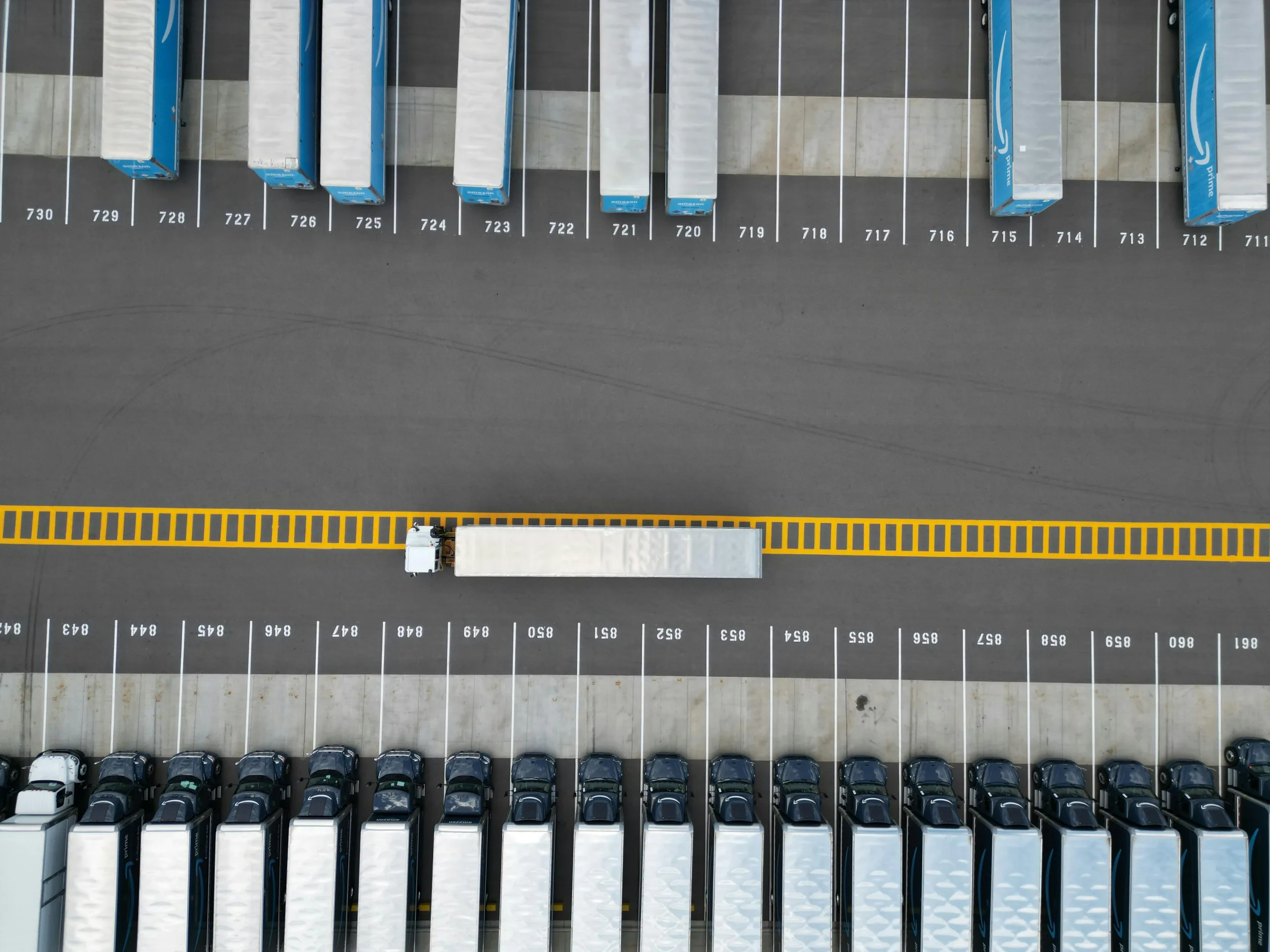
Choosing the right commercial trailer is one of the most important decisions for any owner-operator, carrier, or hotshot driver. The trailer you choose determines what loads you haul, what lanes you qualify for, and ultimately — how profitable your business can be.
At Truecore Capital, we help business owners finance all types of commercial trailers, from flatbeds to reefers to lowboys. Below is a completed breakdown of the most common trailer types, how each one is used, and which may be the best fit for your operation.
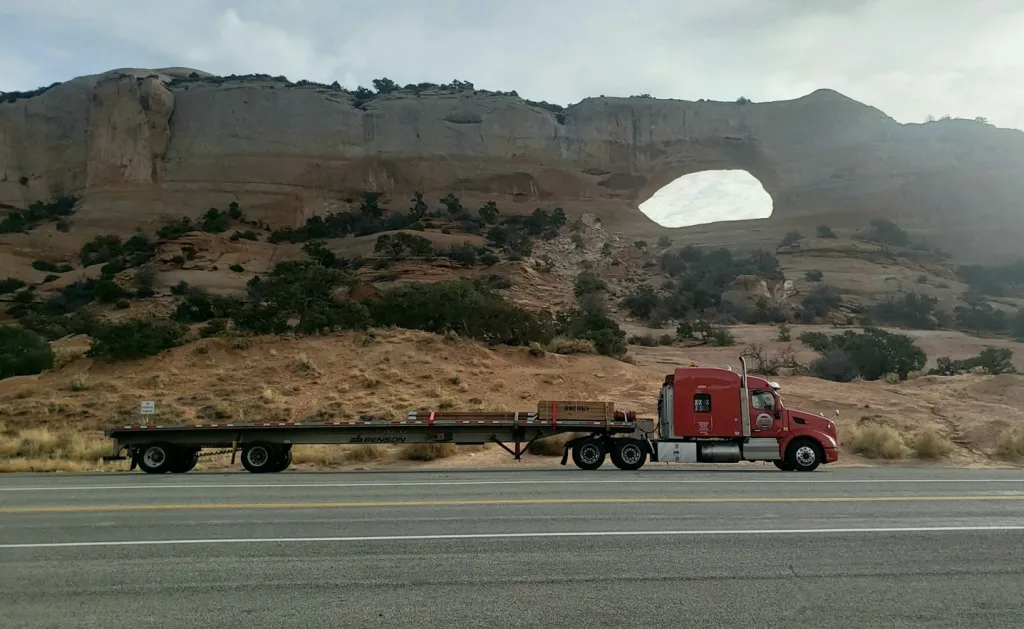
Best for: Construction materials, lumber, steel, machinery, oversized freight
Flatbeds are the most versatile trailers in the industry. With their open-deck design, operators can haul everything from building materials to industrial machinery.
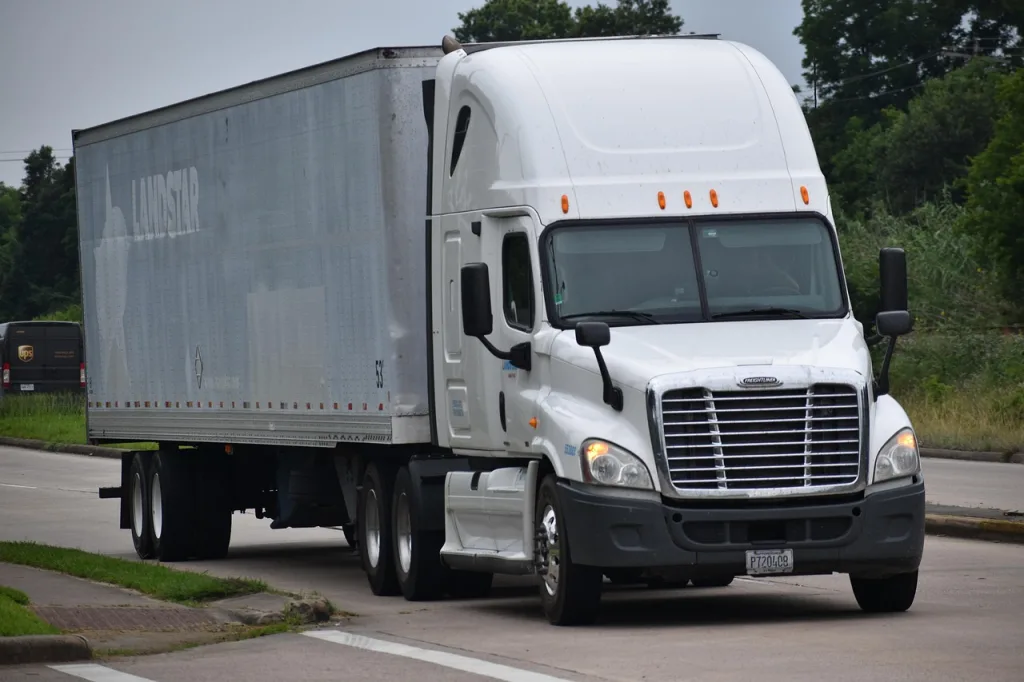
Best for: General freight, consumer goods, palletized shipments
Dry vans are the most common trailers on the road today. They protect freight from weather and theft, making them ideal for contracted freight, regional routes, and last-mile distribution.
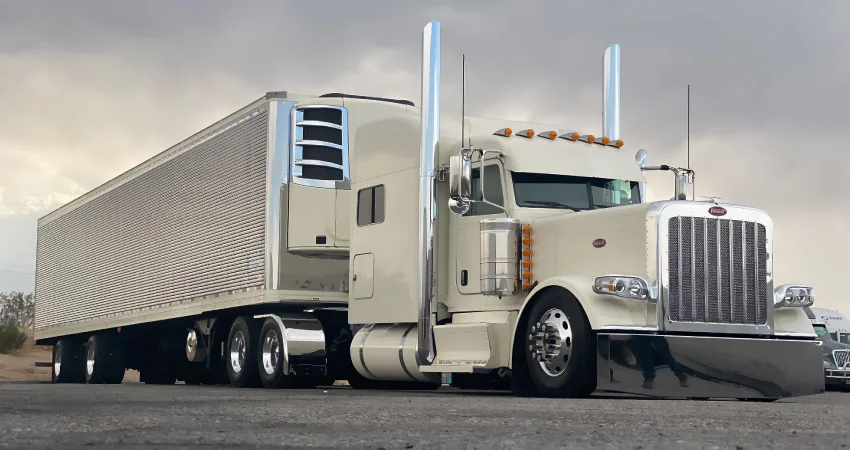
Best for: Food, beverages, pharmaceuticals, temperature-sensitive cargo
Reefers include built-in cooling units that allow operators to haul perishable freight. Although they cost more upfront, they typically command higher freight rates. According to the American Trucking Associations (ATA), refrigerated demand continues to grow due to rising consumer demand for fresh and frozen foods.
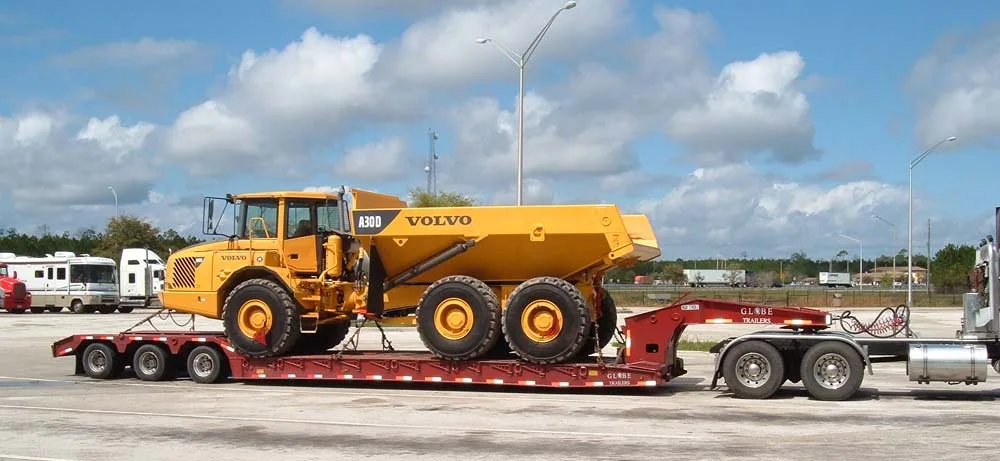
Best for: Heavy machinery, construction equipment, industrial loads
Lowboys sit extremely close to the ground, allowing you to transport oversized, tall, or heavy equipment without special permits in many cases. They’re common for construction, roadwork, and heavy-equipment contractors.
Why Lowboy Trailers Can Be Harder to Get Approved
Lowboys have become more common among new hotshot and heavy-haul operators — which lenders view as higher-risk industries. Because these operations face higher insurance requirements, more liability exposure, and higher early-failure rates, lenders often require stronger credit, more time in business, or proven hauling experience for lowboy trailer financing.
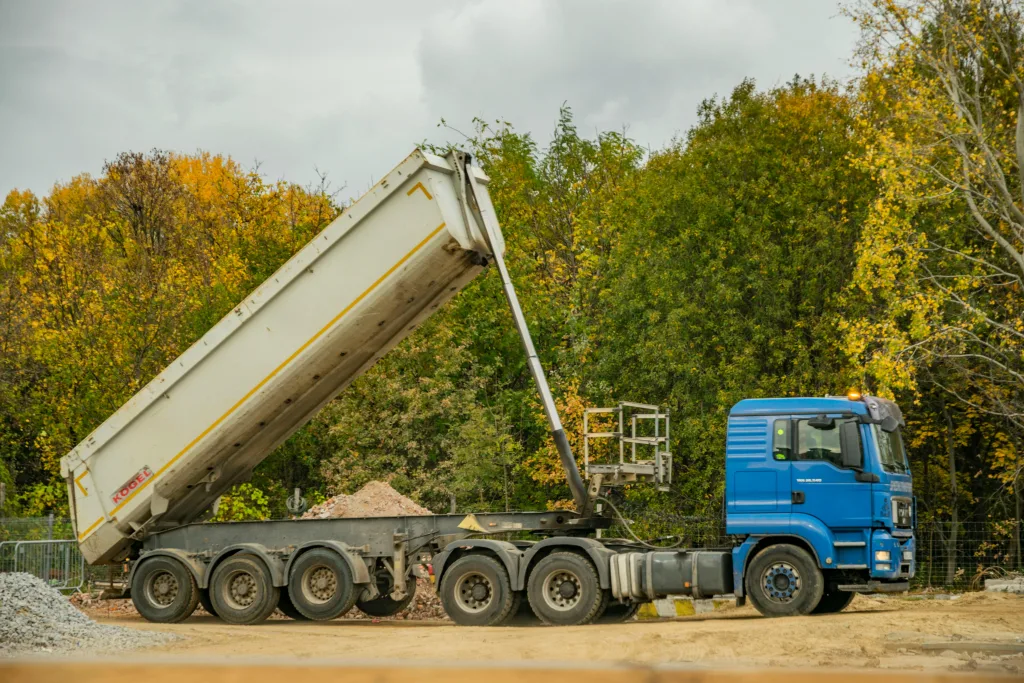
Best for: Aggregates, asphalt, dirt, gravel, demolition debris, farming, agriculture
Dump trailers are essential in aggregate, mining, infrastructure work, and farming. Belly dumps are especially useful for roadbuilding because they distribute material evenly.
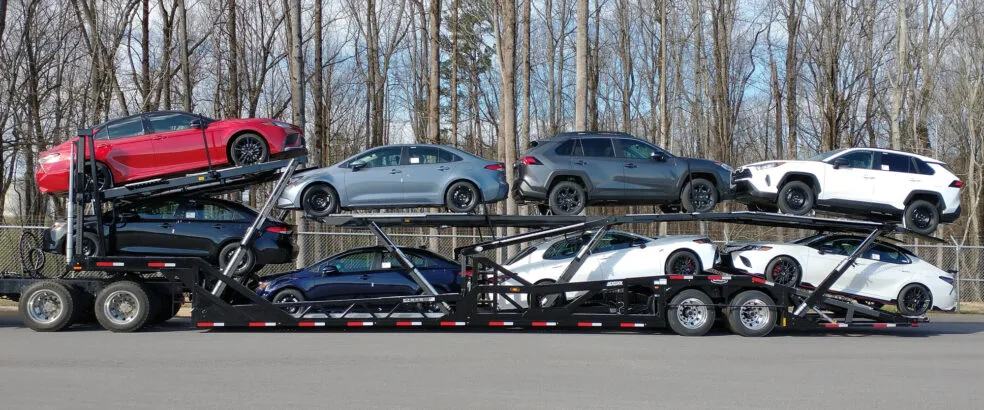
Best for: Dealership transport, body shops, hotshot auto hauling
Car haulers have become extremely popular with new operators — especially hotshot drivers — but underwriting has tightened in recent years.
This means lenders often require stronger credit, more experience, or higher down payments.
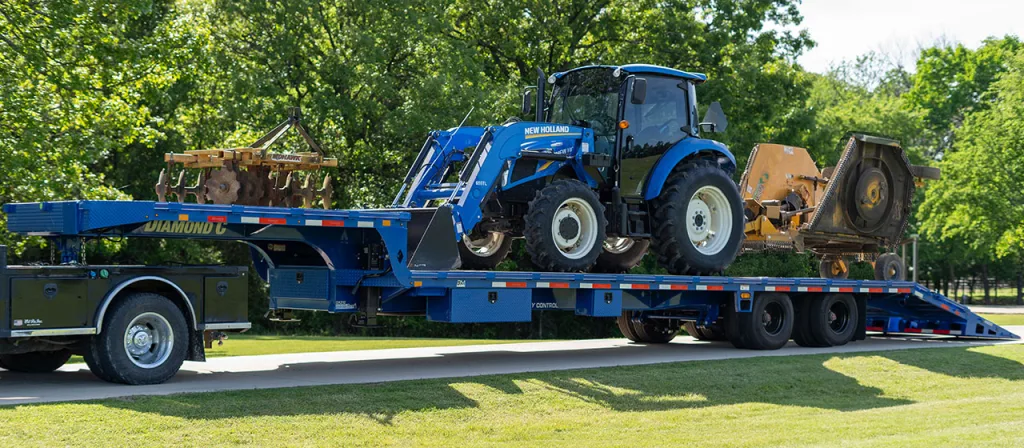
Best for: Tall freight that exceeds flatbed height limits
Step decks allow operators to haul taller loads without oversize permits. They’re popular for industrial equipment, building materials, and machinery.
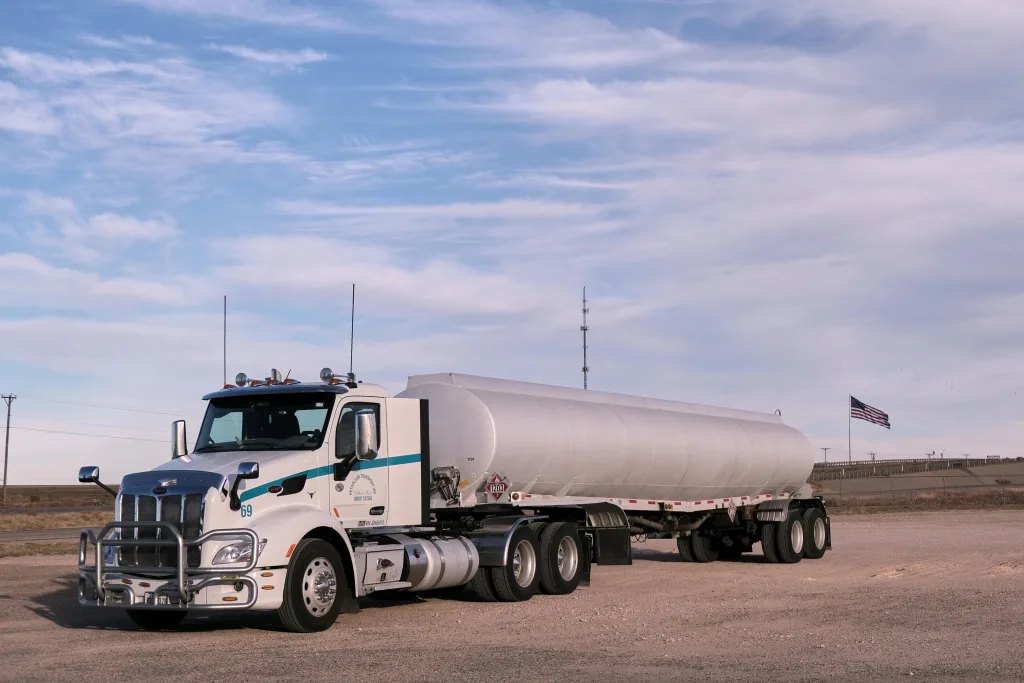
Best for: Fuel, chemicals, food-grade liquids
Tanker hauling requires additional CDL endorsements, but operators often earn higher pay due to specialized freight.
The U.S. Bureau of Labor Statistics reports continued demand in liquid-bulk trucking, especially in fuel and chemical transport sectors.
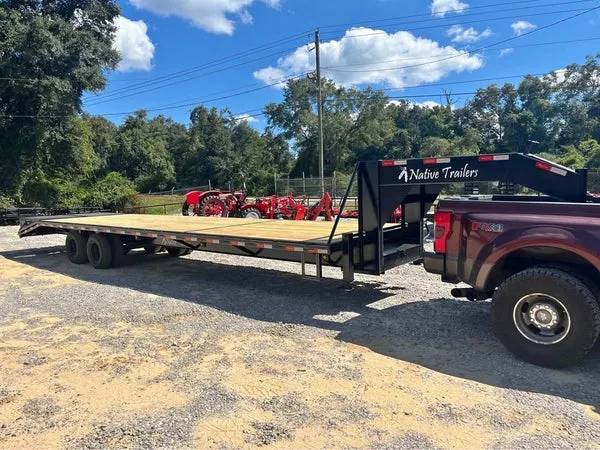
Best for: Heavy, long, or irregular freight for hotshot trucking
Gooseneck flatbeds (typically 30-40ft) are the backbone of hotshot trucking, offering stability, high weight capacity, and load versatility.
Why Gooseneck Trailers Are Harder to Get Approved
Because goosenecks are overwhelmingly purchased by hotshot startups, lenders consider them higher risk. High insurance premiums, limited hauling experience, and high early-failure rates make lenders more cautious — often requiring better credit, stronger cash flow, or prior industry experience.
How to Choose the Right Trailer for Your Operation
Before financing a trailer, consider:
Financing Your Trailer With Truecore Capital
No matter which trailer you need — flatbed, reefer, car hauler, gooseneck, or lowboy — Truecore helps operators secure fast, flexible financing tailored to their cash flow.
Ready to explore your options? Give us a call at (805) 422-7342 or submit a quick contact form below and one of our specialists will reach out to you shortly.



 July 5, 2024
 July 5, 2024
 July 5, 2024


 by Augustine Sung